Azure Data Theft via Microsoft Password Reset Exploit
Emily Davis ·
Listen to this article~4 min
A threat actor is stealing data from Microsoft 365 and Azure by abusing the Self-Service Password Reset feature. Learn how this attack works and what you can do to protect your environment.
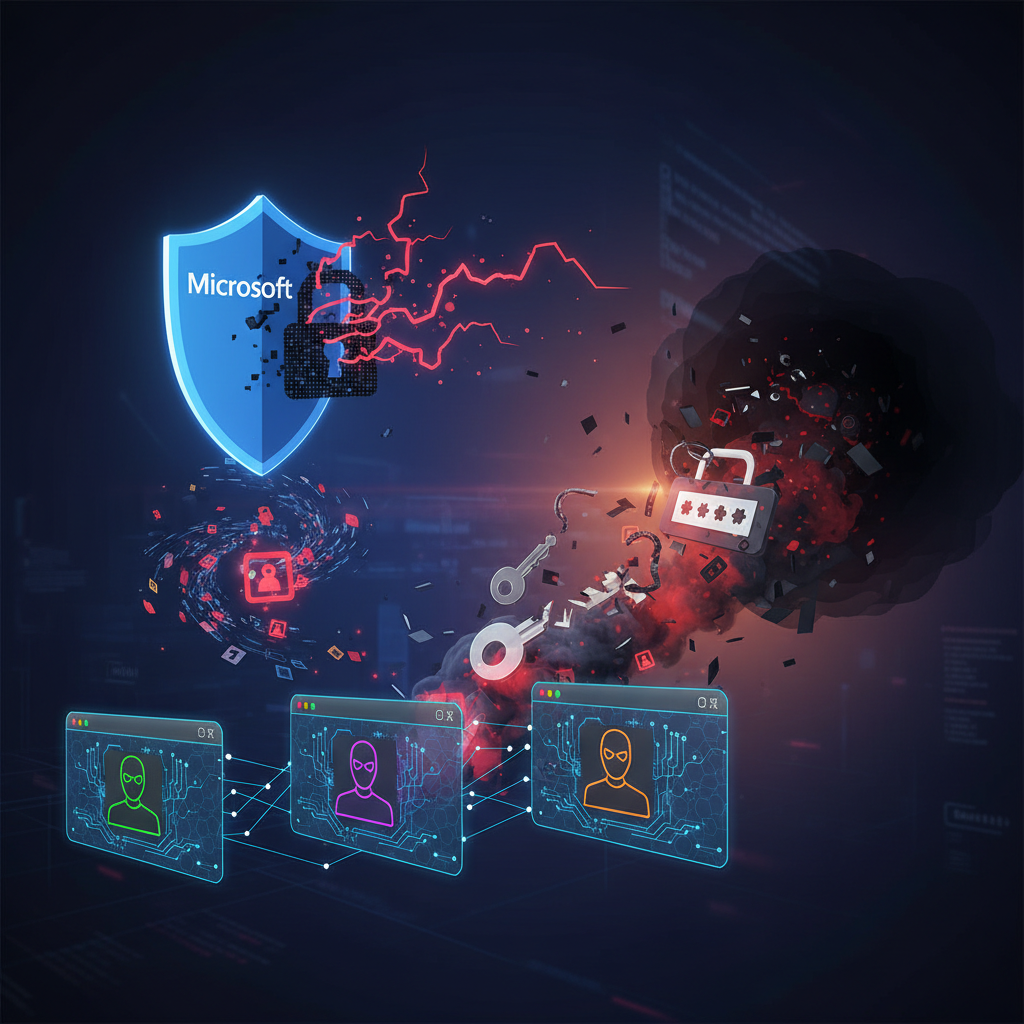
Let me tell you about something that's been keeping security teams up at night. A threat actor has been targeting Microsoft 365 and Azure production environments, and they're not using fancy zero-day exploits or brute-force attacks. Instead, they're abusing a feature that's meant to help you: Microsoft's Self-Service Password Reset (SSPR).
This isn't just another data breach story. It's a wake-up call for anyone running cloud infrastructure in the United States. The attackers are stealing data by leveraging legitimate applications and admin features, which makes their activity incredibly hard to detect. They're essentially walking through the front door with a key that was handed to them.
### How the Attack Works
Here's the scary part: the attack relies on features you probably have enabled right now. The threat actor uses SSPR to reset passwords for privileged accounts, then uses those accounts to access production environments. Once inside, they exfiltrate data using tools that look like normal admin activity.
The key elements of this attack include:
- Abuse of Self-Service Password Reset for initial access
- Use of legitimate admin tools for data theft
- Targeting of high-value production environments
- Activity that blends in with normal operations
This isn't a bug or a vulnerability in the traditional sense. It's a feature abuse. And that makes it much harder to defend against because you can't just patch it away.
### Why This Matters for Antidetect Browser Users
You might be wondering what this has to do with antidetect browsers. The connection is about identity and trust. In both cases, attackers are exploiting how systems verify who you are. With SSPR, they're manipulating password reset workflows. With browser fingerprinting, they're mimicking legitimate user profiles.
Antidetect browsers help you control your digital identity, but they also highlight a fundamental truth: any system that relies on identity verification can be gamed. The key is understanding how these attacks work so you can build better defenses.
### Protecting Your Environment
So what can you do about this? First, understand that this attack targets organizations using Microsoft 365 and Azure. If that's you, here are some practical steps:
- Audit your SSPR settings and enforce multi-factor authentication for all password resets
- Monitor for unusual password reset activity, especially for privileged accounts
- Implement conditional access policies that restrict admin access based on location and device
- Use privileged identity management to reduce the number of permanent admin accounts
- Enable detailed logging and review it regularly for anomalies
These steps won't make you immune, but they'll make it much harder for attackers to pull off this kind of attack.
### The Bigger Picture
This attack is part of a larger trend. Threat actors are moving away from brute force and toward abusing legitimate features. It's harder to defend against because your security tools are designed to catch malicious activity, not legitimate admin work.
The takeaway here is simple: don't assume that just because something is a built-in feature, it's safe. Every feature that reduces friction for legitimate users also reduces friction for attackers. The goal isn't to disable everything, but to understand the risks and put controls in place.
If you're running cloud infrastructure, now is a good time to review your identity and access management practices. And if you're using antidetect browsers for legitimate privacy reasons, remember that the same tools that protect your identity can be used to mask malicious activity. Stay vigilant, stay informed, and never stop questioning the security of the systems you rely on.
A deeper breakdown of GoLogin Review 2026 — Fast, affordable anti-detect browser with cloud profiles - real examples, numbers, and what actually works.
A deeper breakdown of Undetectable.io Review 2026 — Unlimited local profiles with solid fingerprint masking - real examples, numbers, and what actually works.