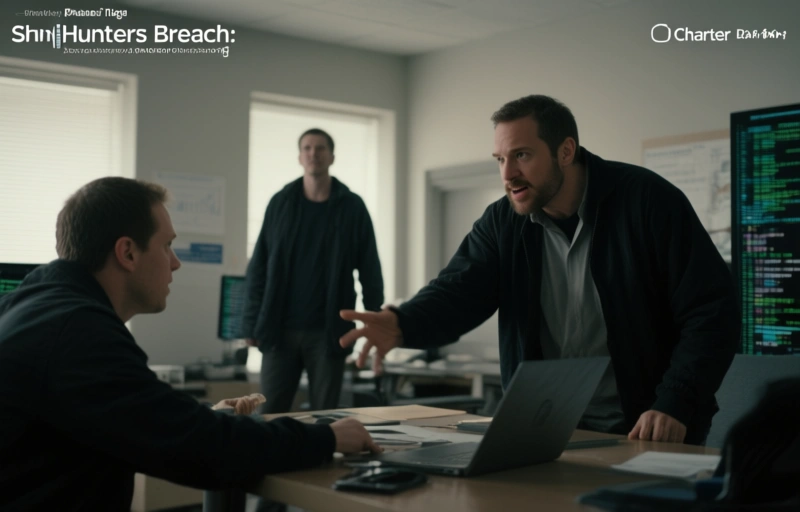
Charter Communications confirms a data breach by ShinyHunters. Learn what happened, how it affects you, and steps to protect your identity online. Expert advice from Robert Moore.
If you've been following the news about the Charter Communications data breach, you're probably wondering what happened and what it means for you. Let's break it down in plain English.
Charter Communications, the big U.S. telecom company behind Spectrum, recently confirmed something pretty alarming: they got hacked. The group behind it, ShinyHunters, is known for stealing data and then demanding a ransom. They threatened to leak everything unless they got paid.
### What Actually Happened?
Here's the short version: Charter discovered unauthorized access to some of its systems. After investigating, they realized customer data had been compromised. ShinyHunters, a well-known extortion crew, claimed responsibility and posted proof of the stolen data online.
- The breach affected a portion of Charter's customer base.
- Data types involved include names, addresses, and possibly account details.
- Charter is notifying affected individuals and offering credit monitoring.
This isn't the first time ShinyHunters has targeted a big company. They've gone after others before, often using similar tactics. The key difference here is the scale and the type of data involved.
### Why Should You Care?
If you're a Charter customer, this could mean your personal info is out there. Hackers can use that data for phishing scams, identity theft, or even targeted attacks. It's not just about a password leak; it's about your entire digital footprint being exposed.
Think of it like this: someone got a copy of your mail, your address book, and maybe even your financial records. That's a big deal.
### What Charter Is Doing About It
Charter has been pretty upfront about the breach, which is good. They're sending out notifications and offering free credit monitoring for a year. But let's be real: that's the bare minimum.
- They've hired cybersecurity experts to investigate.
- They're working with law enforcement.
- They've patched the vulnerability that was exploited.
Still, once data is out there, it's hard to get it back. That's where you come in.
### How to Protect Yourself Right Now
You don't have to wait for Charter to fix everything. Here are some steps you can take today:
1. Change your Charter account password immediately. Make it strong and unique.
2. Enable two-factor authentication on your account.
3. Monitor your bank and credit card statements for unusual charges.
4. Consider freezing your credit with the three major bureaus.
5. Be extra cautious about emails or calls asking for personal info.
> "The best defense is a good offense. Don't wait for a breach to happen to you—act now." — Robert Moore
### The Bigger Picture: Why Antidetect Browsers Matter
This breach is a perfect example of why digital privacy tools are so important. If you're a professional who values anonymity online, using an antidetect browser can help shield your identity. These browsers mask your digital fingerprint, making it harder for hackers to track you across sites.
- They prevent browser fingerprinting.
- They let you manage multiple identities securely.
- They add a layer of protection against data leaks.
But even with the best tools, no system is perfect. The key is to stay informed and proactive.
### Final Thoughts
The Charter data breach is a wake-up call. Whether you're a regular user or a privacy pro, it's time to take data security seriously. Don't assume your info is safe just because a company says it is. Stay vigilant, use strong passwords, and consider adding tools like antidetect browsers to your arsenal.
If you want to dive deeper into how to protect your online identity, check out our guides on the best antidetect browsers available. Knowledge is power, especially in the digital world.