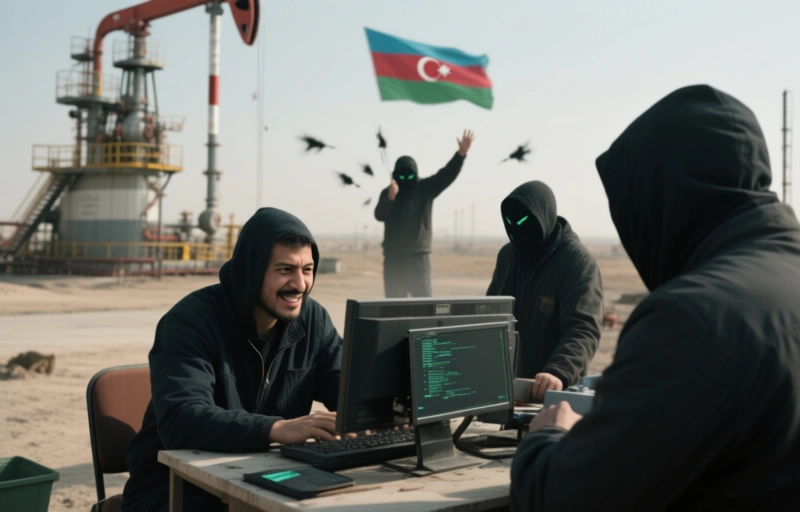
A Chinese-linked hacking group called FamousSparrow launched a multi-wave attack on an Azerbaijani oil and gas firm using Microsoft Exchange exploits from late 2025 to early 2026. Learn how they operated and what you can do to protect your energy infrastructure.
### The Attack: A Multi-Wave Intrusion
A threat actor with ties to China has been linked to a series of cyberattacks on an unnamed Azerbaijani oil and gas company. These weren't just one-off incidents. The hacking group, known as FamousSparrow (or UAT-9244), launched what Bitdefender calls a "multi-wave intrusion" between late December 2025 and late February 2026. That's a three-month campaign, not a quick hit-and-run.
Bitdefender has moderate-to-high confidence that FamousSparrow is behind this. And here's the thing: this group shares some overlap with other Chinese-linked hacking crews. So, it's not just a random actor—it's part of a broader ecosystem of state-aligned cyber threats.
### Why Target an Azerbaijani Energy Firm?
You might wonder: why Azerbaijan? Well, the country is a major energy player. It sits on significant oil and gas reserves, and its pipelines feed into European markets. For a threat actor like FamousSparrow, breaking into an Azerbaijani energy firm could mean access to sensitive infrastructure data, operational blueprints, or even the ability to disrupt supply chains.
This isn't just about stealing data. It's about strategic positioning. Energy companies are high-value targets because they control critical infrastructure. A breach here could ripple across global markets, impacting everything from prices to security.
### How Did They Get In? Exploiting Microsoft Exchange
The attackers used Microsoft Exchange vulnerabilities as their entry point. This is a classic move for FamousSparrow. They've done it before, and they're doing it again. These exploits allow them to gain initial access, then move laterally through the network.
Here's what makes this especially dangerous:
- **Repeated exploitation**: They didn't just hit once. They came back multiple times over three months, refining their approach each time.
- **Persistence**: Once inside, they likely set up backdoors to maintain access. This means even if the company patched one hole, the attackers could slip back in through another.
- **Data exfiltration**: The goal was probably to steal credentials, emails, and sensitive documents. Energy firms hold a lot of valuable intel.
### What Makes FamousSparrow Different?
FamousSparrow isn't your run-of-the-mill hacker group. They're known for being methodical and patient. They don't rush. They take their time to map out networks, identify high-value targets, and execute their plan with precision.
One key trait: they often target hospitality and government sectors, but this shift to energy shows they're expanding their focus. That's a red flag for any company in critical infrastructure.
### Lessons for Cybersecurity Pros
If you're working in cybersecurity—especially in energy, oil, or gas—this attack holds some hard lessons:
- **Patch fast**: Microsoft Exchange vulnerabilities are a favorite entry point. If you haven't updated your systems, you're leaving the door wide open.
- **Monitor for persistence**: Attackers like FamousSparrow don't just break in and leave. They stick around. Look for unusual login times, strange account activity, or unexpected data transfers.
- **Segment your network**: If one part of your network gets compromised, a segmented setup can stop the attackers from moving laterally.
- **Train your team**: Human error is often the weakest link. Make sure your staff knows how to spot phishing attempts and suspicious behavior.
### The Bigger Picture: Chinese Cyber Threats
This attack is part of a larger trend. Chinese-linked hacking groups have been increasingly targeting energy infrastructure worldwide. From oil rigs in the North Sea to pipelines in the U.S., no one is safe. The goal? Intelligence gathering, economic espionage, and maybe even preparing for future disruptions.
FamousSparrow's involvement suggests a coordinated effort. They're not acting alone. They're part of a network of state-sponsored actors that share tools, techniques, and intelligence.
### What Should You Do Now?
If you're in the energy sector, don't wait for an attack to happen. Start by:
1. **Auditing your Microsoft Exchange servers** for any signs of compromise.
2. **Reviewing logs** for unusual activity dating back to late 2025.
3. **Updating your incident response plan** to account for multi-wave attacks.
4. **Sharing threat intelligence** with peers in the industry. Collaboration can stop these attacks before they spread.
### Final Thoughts
This attack on the Azerbaijani energy firm is a wake-up call. It shows that cyber threats are becoming more sophisticated, more persistent, and more targeted. FamousSparrow is just one group, but their methods are a blueprint for others.
Stay vigilant. Patch your systems. And remember: in cybersecurity, it's not a matter of if you'll be targeted, but when. Be ready.