Security researchers uncover OP-512, a Chinese-linked threat group targeting Microsoft IIS servers with custom web shells for espionage. Learn how to protect your organization.
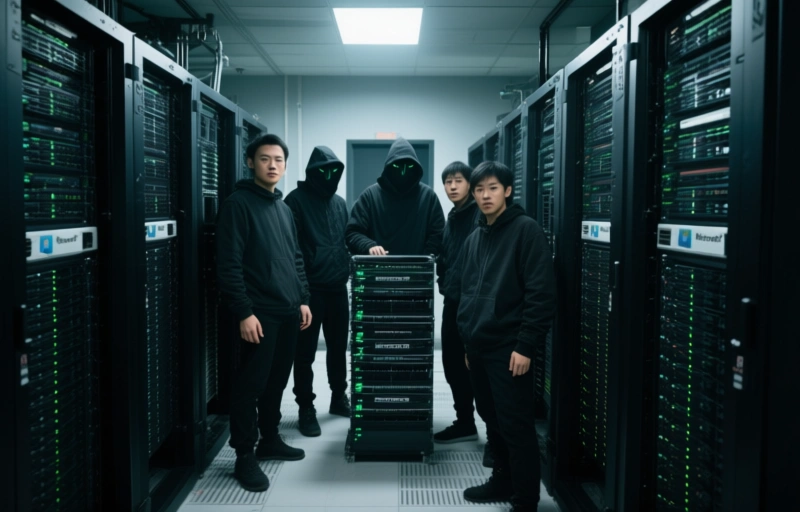
Security researchers just uncovered a serious threat that's been flying under the radar. A new group they're calling OP-512 (short for opponent) has been quietly hitting Microsoft Internet Information Services (IIS) servers. Their goal? To plant a custom web shell framework that gives them total control.
This isn't your run-of-the-mill hacking crew. ReliaQuest, the firm that spotted this, says with moderate to high confidence that OP-512 is tied to Chinese state-sponsored espionage. That's a big deal because it means these attacks aren't about quick cash—they're about stealing secrets over the long haul.
### What Makes OP-512 Dangerous?
The group isn't using off-the-shelf tools. They've built their own web shell framework from scratch. That makes them harder to detect because their code doesn't match known malware signatures.
- Custom web shell framework designed specifically for IIS
- Targets are likely high-value organizations like government agencies and tech companies
- Attacks are stealthy and focused on data exfiltration
ReliaQuest's report highlights that OP-512 has been active for months, possibly longer. The framework lets them execute commands, upload and download files, and maintain persistence on compromised servers.
### How the Attack Works
The attack chain starts with exploiting vulnerabilities in IIS servers. Once they're in, OP-512 deploys their custom web shell. This shell acts like a backdoor, giving them ongoing access.
From there, they can move laterally across networks, steal credentials, and grab sensitive data. The whole operation is designed to stay under the radar. They're not trying to crash servers or cause chaos—they want to blend in and siphon information quietly.
> "OP-512 was highly sophisticated in their approach, using techniques that bypass traditional security measures," the report notes.
This isn't a threat you can ignore. If your organization runs IIS servers, you need to take this seriously.
### Who Should Be Worried?
Any company using Microsoft IIS is at risk, but some are more likely targets:
- Government contractors and agencies
- Financial institutions
- Healthcare organizations with sensitive patient data
- Tech companies with intellectual property
OP-512's focus on espionage means they'll go after organizations with valuable information. If your data could help a foreign government, you're in their crosshairs.
### What You Can Do Right Now
First, make sure your IIS servers are fully patched. OP-512 exploits known vulnerabilities, so keeping software updated is your first line of defense.
Second, monitor your web server logs for unusual activity. Look for unexpected file uploads, strange HTTP requests, or connections to unknown IP addresses. Web shells often leave subtle traces if you know what to look for.
Third, consider using a web application firewall (WAF) to block malicious traffic. It won't stop everything, but it adds another layer of protection.
Finally, run regular security audits. Bring in a penetration testing team to check for weaknesses before attackers find them.
### The Big Picture
This discovery is a reminder that cyber threats are constantly evolving. OP-512 is just one of many groups out there, but their custom tools make them especially dangerous. The fact that they're tied to a nation-state means they have resources and patience.
Don't wait until you're hit. Take proactive steps now to secure your IIS servers. The cost of prevention is tiny compared to the damage a breach can cause.
Stay safe out there.