Operation Dragon Weave targets Czech Republic and Taiwan with spear-phishing emails carrying AdaptixC2 malware. Government, research, tech, and finance sectors at risk.
A fresh cyber espionage campaign, dubbed Operation Dragon Weave, is making headlines for targeting officials and everyday citizens in the Czech Republic and Taiwan. The goal? To slip an AdaptixC2 agent onto systems, giving attackers remote control over compromised devices.
This isn't just a random blip on the radar. According to Seqrite Labs, the campaign is laser-focused on key sectors: government, research, academic, technology, and financial services. Think of it as a digital fishing expedition, but the bait is cleverly crafted to reel in high-value catches.
### How the Attack Unfolds
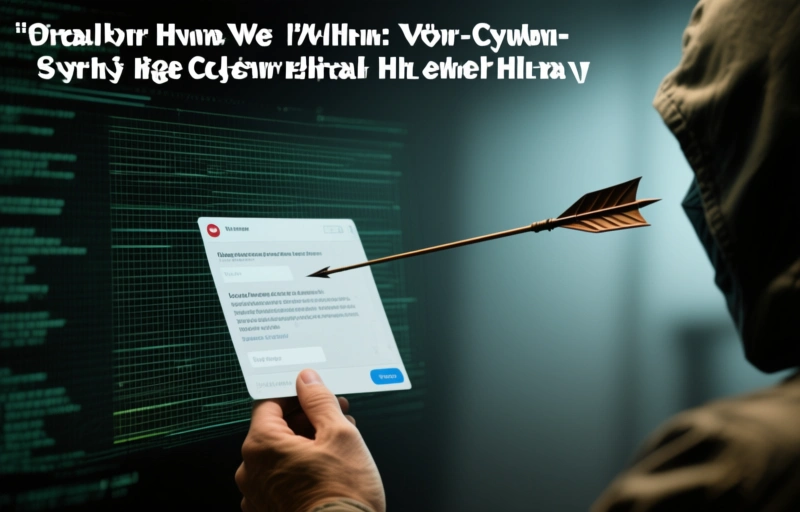
The core tactic here is spear-phishing, a targeted form of email trickery. Attackers send messages that look legitimate, often pretending to be from a trusted source. These emails come with ZIP attachments, which, when opened, unleash the AdaptixC2 payload. Once inside, it establishes a command-and-control channel, letting the attackers snoop, steal, or sabotage.
What makes this especially concerning is the precision. Rather than blasting out thousands of generic emails, the attackers likely researched their victims first. This isn't a spray-and-pray approach—it's a surgical strike.
### Who's in the Crosshairs?
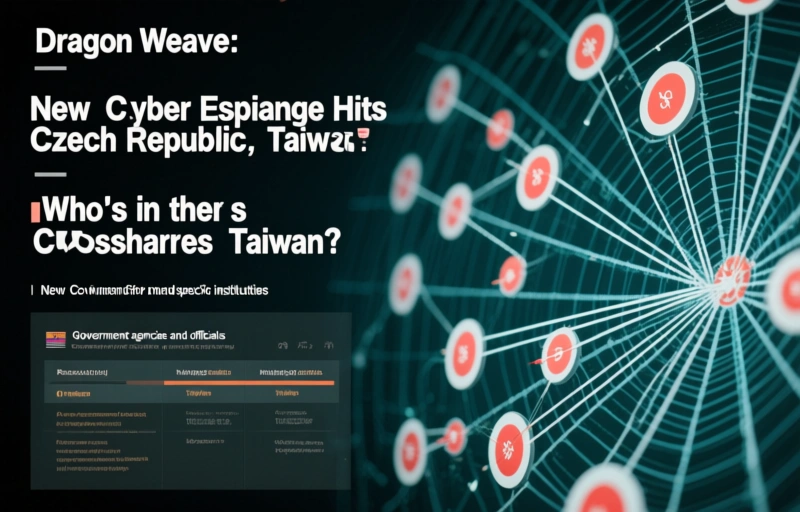
The campaign casts a wide net within specific industries. Here's a quick breakdown of the primary targets:
- Government agencies and officials
- Research institutions and academic bodies
- Technology companies and startups
- Financial services firms, including banks and insurers
Each of these sectors holds sensitive data, from intellectual property to personal financial records. That makes them prime real estate for cyber spies looking to gain a strategic edge.
### Why AdaptixC2 Matters
AdaptixC2 isn't your run-of-the-mill malware. It's a sophisticated command-and-control framework that gives attackers a lot of flexibility. They can deploy additional tools, steal files, or even pivot to other systems on the same network. For defenders, that means one breach can quickly spiral into a full-blown incident.
For professionals in the antidetect browser space, this is a wake-up call. While antidetect tools are often used for privacy and anonymity, they're also a double-edged sword. Attackers might leverage similar techniques to mask their digital footprints, making detection harder.
### Defending Against Operation Dragon Weave
So, what can you do to stay safe? Start by tightening your email security. Train employees to spot phishing red flags, like unexpected attachments or urgent requests. Use email filtering tools that scan for malicious ZIP files before they land in inboxes.
Also, keep your systems updated. Vulnerabilities in software are a common entry point for attacks like these. Patch management might sound boring, but it's your first line of defense.
For those using antidetect browsers, consider this: your tools can be a shield or a weapon. Use them to protect your own identity, not to mimic attackers. Stay vigilant, and always verify the source before clicking anything.
### The Bigger Picture
This campaign highlights a growing trend: state-aligned groups are getting bolder. They're not just targeting government networks anymore; they're going after the private sector too. For US-based professionals, the implications are clear. Even if you're not in the Czech Republic or Taiwan, the tactics used here could easily be adapted for other regions.
At the end of the day, awareness is your best defense. Understand how these attacks work, and you're already a step ahead. Keep your guard up, and don't let a cleverly worded email be your downfall.