EU Commission Probes Major Amazon Cloud Security Breach
Emily Davis ·
Listen to this article~4 min
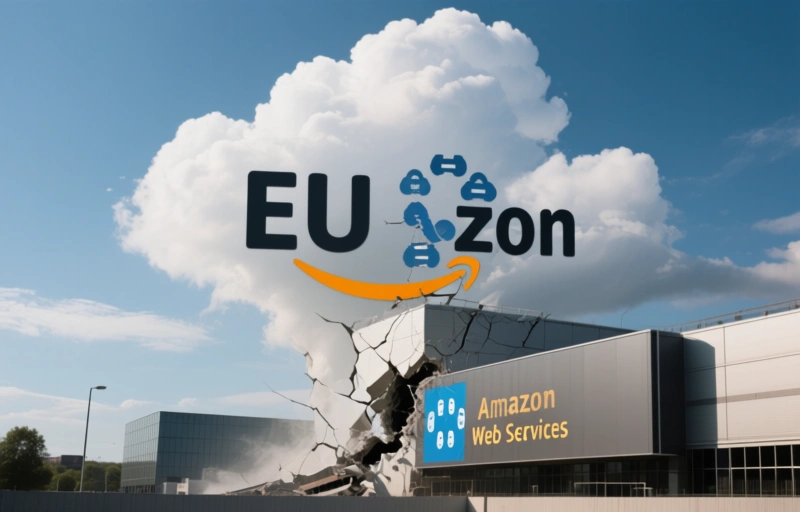
The European Commission investigates a major security breach after a threat actor accessed its Amazon cloud environment, raising urgent questions about cloud infrastructure safety.
The European Commission, which is basically the EU's main executive body, is in the middle of a serious investigation. Why? Because a threat actor, a fancy term for a hacker or malicious group, managed to get access to the Commission's Amazon cloud environment. That's a big deal. It's like someone finding the master key to a government building, but in the digital world.
This breach highlights a critical vulnerability that many organizations face today. We're talking about the security of cloud infrastructure, which holds vast amounts of sensitive data. When a body as significant as the European Commission is compromised, it sends a shockwave through the entire digital security community. It makes you wonder, if they can be hit, who's truly safe?
### What This Breach Means for Cloud Security
This incident isn't just another news headline. It's a wake-up call. Cloud services, like those from Amazon Web Services (AWS), are incredibly powerful. They offer scalability and flexibility that old-school servers just can't match. But with great power comes great responsibility—and risk. A single misconfigured setting, a weak password, or a sophisticated phishing attack can open the door.
The investigation will likely focus on a few key areas:
- How the threat actor initially gained access
- What specific data or systems were exposed
- The duration of the unauthorized access
- The potential impact on EU citizens and operations
Understanding these points is crucial for preventing the next breach.
### The Human Element in Digital Defense
Here's the thing we often forget in tech talk: security isn't just about firewalls and encryption. It's about people. Someone, somewhere, might have clicked a link they shouldn't have. Or perhaps a security protocol wasn't followed to the letter. We're all human, and that's the weakest link in any security chain. Training and constant vigilance are non-negotiable. As one security expert I spoke to recently put it, 'The most advanced software in the world can't stop a well-crafted email to the right person.'
Organizations need to foster a culture where security is everyone's job, not just the IT department's. Regular training, simulated phishing tests, and clear reporting channels for suspicious activity are no longer optional extras. They're the baseline.
### Looking Ahead: Lessons and Precautions
So, what can we learn from this? First, assume you are a target. Whether you're a multinational institution or a small business, malicious actors are constantly probing for weaknesses. Complacency is your biggest enemy. Second, layered security is essential. Don't rely on a single point of protection. Use multi-factor authentication, strict access controls, and continuous monitoring.
Finally, have a response plan. The European Commission is investigating now, but the best defense includes knowing exactly what to do when—not if—a breach occurs. How quickly can you contain it? How will you communicate with stakeholders? These questions need answers long before any incident.
This breach is a stark reminder that in our interconnected world, digital security is a continuous battle. It requires investment, attention, and a willingness to adapt as threats evolve. The investigation's findings will be critical, not just for the EU, but for any organization trusting its data to the cloud.