Google Blocks 8.3B Ads in 2025, Revamps Android Privacy
Michael Miller ·

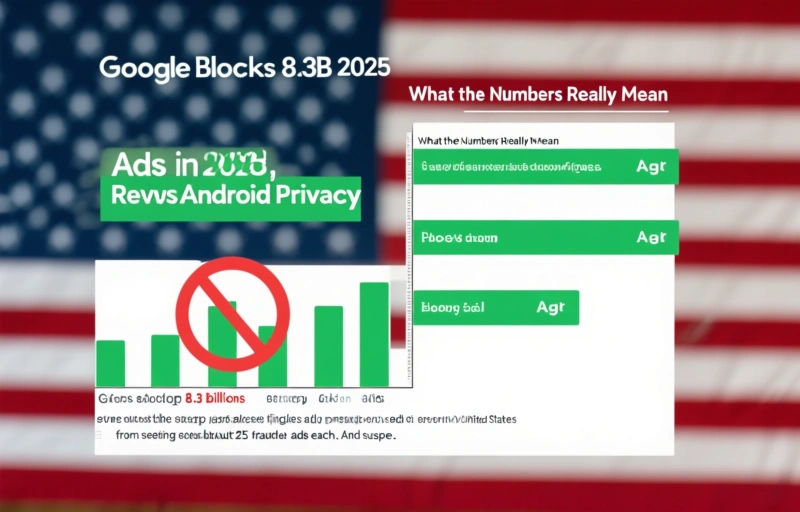
Google blocks 8.3 billion policy-violating ads in 2025 and suspends 24.9 million accounts while launching Android 17 privacy updates that tighten contact and location permissions for third-party apps.
Google just dropped some major news that could reshape how we think about online privacy and fraud prevention. The company announced it blocked or removed over 8.3 billion policy-violating ads globally in 2025 and suspended 24.9 million accounts. That's not just a number—it's a signal that the digital landscape is getting tougher for bad actors.
Alongside this crackdown, Google rolled out new Play policy updates focused on contact and location permissions in Android. These changes are designed to give users more control over their data while making it harder for shady apps to exploit personal information.
### What the Numbers Really Mean
Let's break down those figures. Blocking 8.3 billion ads is like stopping every single person in the United States from seeing about 25 fraudulent ads each. And suspending 24.9 million accounts? That's roughly the population of Florida being kicked out for violating policies.
These actions target everything from deceptive ads that trick you into clicking, to malicious software that steals your data. Google's move shows they're serious about cleaning up their ecosystem, especially for businesses that lose money to ad fraud every year.
### The New Privacy Rules for Android
The policy updates center on two sensitive permissions: contact lists and location data. Starting with Android 17, third-party apps will face stricter rules before they can access:
- Your phone's contact list
- Your precise location (like GPS coordinates)
Apps now need to justify why they need this data, and users can grant temporary access instead of permanent permission. This is a big win for privacy advocates who've long argued that many apps collect more data than they actually need.
### Why This Matters for Businesses
If you're running an online business or managing multiple accounts, these changes could be a double-edged sword. On one hand, they reduce fraud and protect legitimate users. On the other, they might complicate how you use tools that rely on location or contact data.
For example, ad verification services that check if your ads are showing in the right places may need to adapt. But the bigger picture is positive: a cleaner ad environment means your marketing dollars are less likely to be wasted on bots or fake clicks.
### The Ripple Effect on Antidetect Browsers
Here's where it gets interesting for our audience. Antidetect browsers help professionals manage multiple accounts by masking digital fingerprints. With Google tightening privacy controls, these tools could become even more valuable—or face new challenges.
The key is staying ahead of policy changes. If you rely on antidetect technology, you'll want to ensure your setup complies with Google's updated requirements, especially around location permissions. Otherwise, you risk account suspensions.
### What You Can Do Right Now
Start by auditing your current app permissions. Check which apps have access to your contacts and location on Android devices. Revoke anything that looks unnecessary. For business accounts, review your ad policies to align with Google's stricter stance.
Also, keep an eye on updates from antidetect browser providers. They'll likely release patches or guidance to help you navigate these changes smoothly.
### Wrapping It Up
Google's announcement is a clear message: privacy and security are no longer optional. With 8.3 billion ads blocked and new Android policies in place, the digital world is shifting. Whether you're a marketer, a privacy enthusiast, or just someone tired of spammy ads, these moves are worth paying attention to.
Stay informed, stay flexible, and don't let these changes catch you off guard. The best defense is a proactive approach to privacy and compliance.