How Criminals Use Vacant Homes to Steal Your Mail
Emily Davis ·
Listen to this article~4 min
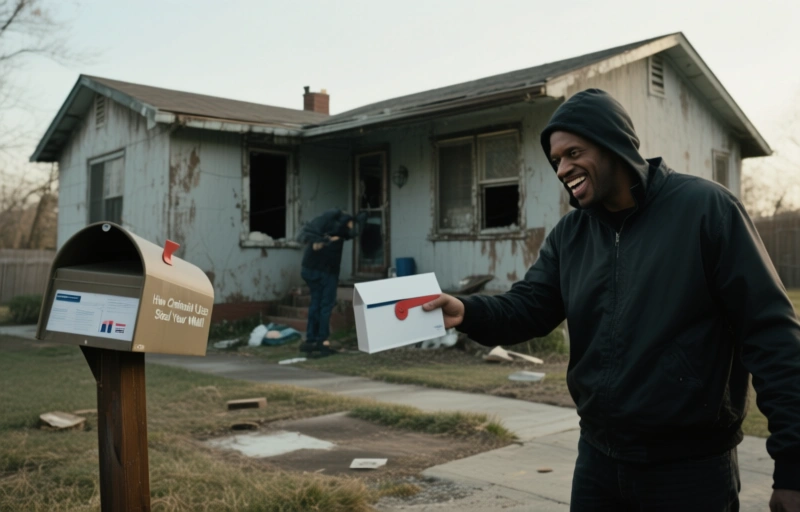
Criminals are using vacant homes as 'drop addresses' to intercept mail and commit fraud. Learn how this hybrid cybercrime works and how to protect your community from becoming an unwitting accomplice.
You know that empty house down the street? The one with the overgrown lawn and the 'For Sale' sign that's been there for months? It might be more than just an eyesore. It could be a key piece in a sophisticated fraud operation. Let's talk about how criminals are turning vacant properties into their personal mailboxes.
Threat actors—the fancy term for cybercriminals—are exploiting these empty homes as "drop addresses." They're intercepting mail to enable all sorts of fraud. It's a hybrid crime that blends the physical and digital worlds in unsettling ways.
### The Mechanics of Mail Interception
So how does this actually work? It's simpler than you might think. Criminals identify homes that are clearly unoccupied. They might watch for piled-up mail, uncollected newspapers, or dark windows night after night. Once they've found their target, they take action.
They'll often change the mailing address for stolen identities or newly created fake personas to that vacant property. Then they simply wait for valuable items to arrive. We're talking about credit cards, checks, financial documents, even expensive packages ordered with stolen payment information.
The postal service becomes an unwitting accomplice. These criminals abuse the trust we place in mail delivery to turn your neighborhood's empty houses into fraud vectors.
### Why This Hybrid Approach Works
This method is particularly effective because it bridges two worlds. Digital crimes leave traces—IP addresses, login locations, device fingerprints. But intercepting physical mail? That creates a whole different set of challenges for investigators.
Think about it: if a criminal uses a vacant home as their mailing address, they never have to show their face. They can monitor the property from a distance, swoop in when a valuable package arrives, and disappear without ever interacting with neighbors or postal workers.
It's low-risk with potentially high rewards. A single intercepted credit card can lead to thousands of dollars in fraudulent purchases before anyone notices.
### The Tools of the Trade
Criminals aren't just winging this. They're using specific tools and techniques:
- Fake identity creation software
- Public records searches to find truly vacant properties
- Mail forwarding scams that redirect legitimate mail
- Surveillance of target neighborhoods
- Timing deliveries for when neighbors are least likely to notice
One security researcher put it bluntly: "Mail fraud is the physical manifestation of data theft. When your personal information gets stolen online, it often ends up being used to request physical items through the mail."
### Protecting Yourself and Your Community
So what can you do about it? Plenty, actually. Start with your own mail habits. If you're going away, use the postal service's official hold mail service. Don't let it pile up where anyone can see.
Keep an eye on your neighborhood. Notice a house that's been empty for a while? Pay attention to whether mail is being collected. If you see suspicious activity—someone checking a mailbox who clearly doesn't live there—don't hesitate to report it.
For businesses, this is even more critical. Verify mailing address changes with multiple forms of identification. Implement delays on high-value shipments to new addresses. Train employees to recognize red flags in shipping requests.
### The Bigger Picture
This isn't just about stolen packages or credit cards. It's about how criminals are getting smarter about exploiting the gaps between our physical and digital lives. They're finding vulnerabilities where we least expect them—in the quiet, empty spaces of our communities.
The solution requires awareness from everyone. Homeowners, renters, postal workers, neighbors. We all need to understand that an empty house isn't just a property issue—it could be a security issue.
Stay vigilant. Watch out for your neighborhood. And maybe check on that vacant house down the street. Someone else certainly is.