How Hackers Vet Stolen Credit Card Shops
Robert Moore ·
Listen to this article~4 min
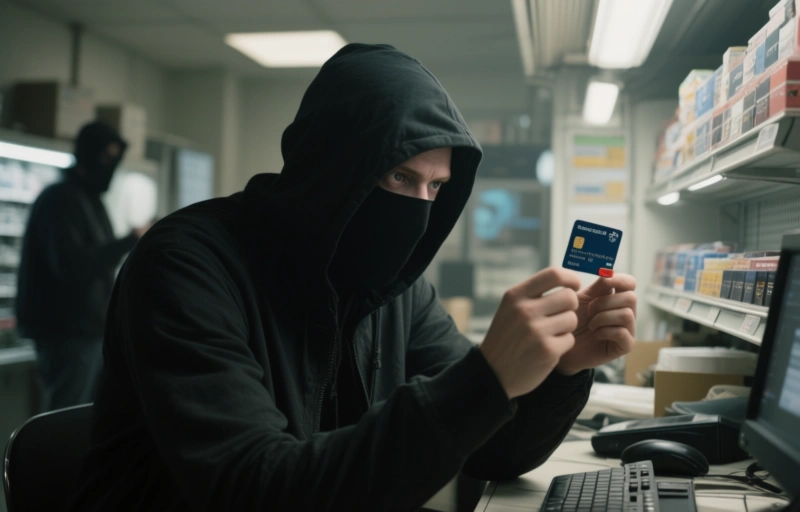
In cybercrime markets, trust isn't assumed, it's verified. Flare reveals how underground guides teach actors to evaluate carding shops based on data quality, reputation, and survivability.
You might think cybercriminals just grab any stolen credit card data they can find. But the reality is far more calculated. In underground markets, trust isn't assumed, it's verified. And the way threat actors evaluate carding shops is surprisingly methodical.
Flare recently uncovered a guide that teaches cybercriminals how to vet these shady operations. It's a peek into a world where data quality, reputation, and survivability matter more than you'd expect. Let's break down what this means and why it should matter to you.
### What Makes a Carding Shop Trustworthy?
In the underground, not all stolen data is created equal. Threat actors look for shops that offer high-quality, fresh data. They check if the cards are still active and if the billing info matches. A shop with a solid reputation for delivering working cards gets repeat business. They also look at how long a shop has been around. Survivability is a big deal because it signals reliability.
### How They Evaluate Data Quality
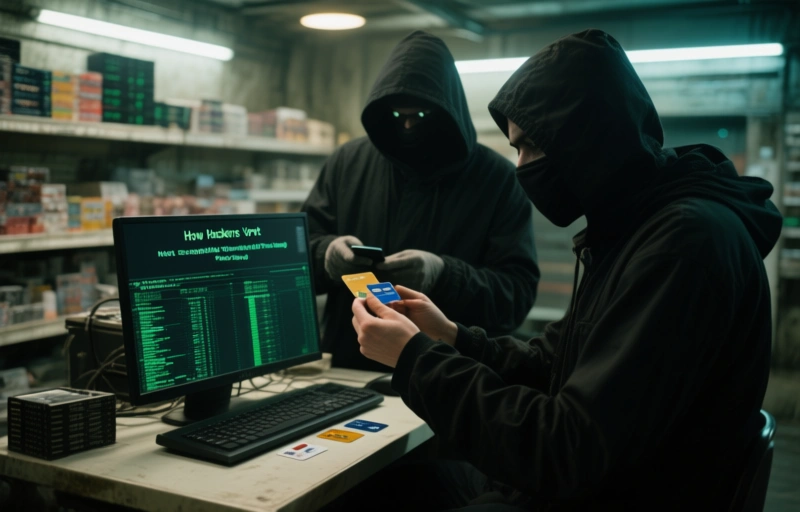
Data quality is everything. Buyers test a few cards before committing to a bulk purchase. They check for valid ZIP codes, CVV numbers, and expiration dates. If a card works, they trust the source more. If it fails, they move on. It's a simple vetting process, but it's effective. Some even use automated tools to verify data in bulk.
### Reputation and Community Feedback
Reputation travels fast in these circles. Forums and chat groups are full of reviews. A shop with negative feedback gets blacklisted quickly. Threat actors share their experiences, warning others about scams. This creates a self-policing system where honesty is rewarded. But it's fragile. One bad batch of data can ruin a shop's standing.
### Survivability: The Long Game
Survivability means staying operational despite law enforcement pressure. Shops that last months or years are seen as more trustworthy. They've proven they can handle takedowns and adapt. This is a big factor in a buyer's decision. A shop that disappears after a week is a red flag.
### Why This Matters for Security Pros
Understanding how cybercriminals vet their sources helps us defend better. It shows they're not just random actors. They're strategic. By mimicking their vetting process, we can spot weak points in our own defenses. For example, if they value fresh data, we need to catch breaches faster.
### Practical Steps to Protect Your Business
Here's what you can do:
- Monitor for stolen data on underground forums.
- Use tools to detect compromised cards early.
- Educate your team about these vetting tactics.
- Implement strong fraud detection systems.
These steps make it harder for threat actors to profit from your data.
### The Bottom Line
The underground isn't chaotic. It's a structured market with its own rules. By learning how actors vet carding shops, we gain an edge. It's not about paranoia. It's about staying one step ahead. And that starts with understanding their playbook.
So next time you hear about a data breach, remember: there's a whole ecosystem vetting that stolen data. And the best defense is knowing how that system works.