Inside the DDoS-as-a-Service Market: Attacks for $5
Robert Moore ·
Listen to this article~4 min
DDoS attacks are now sold like subscription services, with pricing tiers, support, and reseller programs. Learn how the DDoS-as-a-Service market has evolved into polished attack platforms.
You've probably heard about DDoS attacks, but did you know they're now sold like Netflix subscriptions? That's right — cybercriminals have turned distributed denial-of-service into a polished industry. We're talking pricing tiers, customer support, even reseller programs. It's wild how far this market has come.
### What is DDoS-as-a-Service?
DDoS-as-a-Service (DDoSaaS) is exactly what it sounds like: hackers renting out botnets and attack tools for a fee. Instead of building their own infrastructure, anyone can pay as little as $5 to take down a website. These services are advertised on dark web forums and Telegram channels, complete with user-friendly dashboards and 24/7 support.
The evolution is staggering. A few years ago, DDoS tools were clunky scripts shared among small groups. Now, they're full-fledged platforms with automated deployment, real-time attack monitoring, and even money-back guarantees. It's like the difference between a garage startup and a Fortune 500 company.
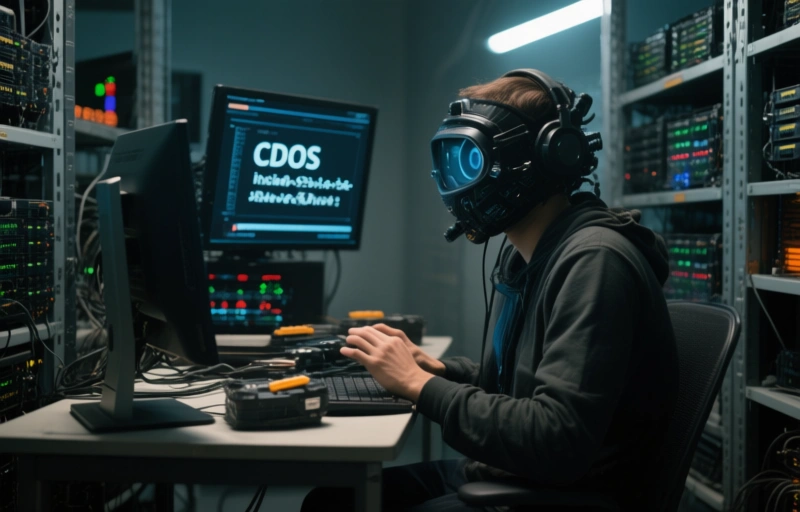
### How the Market Works
Here's the breakdown: attackers build botnets — networks of infected devices — then rent access to them. You pay, you pick a target, and the botnet floods it with traffic until it crashes. Prices vary based on attack strength and duration.
- **Basic attacks**: $5 to $20 for a short burst, enough to knock down a small blog.
- **Mid-tier plans**: $50 to $200 for sustained attacks on e-commerce sites.
- **Premium services**: $500+ for massive botnets targeting enterprise systems.
Some platforms even offer "stress testing" as a cover, claiming the attacks are for security audits. But let's be real — most customers aren't testing anything. They're competitors trying to sabotage rivals, or trolls seeking chaos.
> "The DDoSaaS market has professionalized faster than most legitimate industries," says Robert Moore, lead antidetect browser specialist. "It's scary how accessible it is."
### Why This Matters for You
If you run a business online — whether it's a small shop or a SaaS platform — DDoS attacks are a real threat. These services make it cheap and easy for anyone to target you. A disgruntled customer could spend $20 and take your site down for hours, costing you sales and reputation.
But here's the good news: you can fight back. Use a content delivery network (CDN) that absorbs traffic spikes. Set up rate limiting on your servers. And always have a backup plan, like a secondary hosting provider. Prevention is cheaper than recovery.
### The Role of Antidetect Browsers
This is where antidetect browsers come in. Attackers often use them to hide their identities while launching DDoS campaigns. By spoofing browser fingerprints, they can bypass IP bans and keep attacking. But these tools also help defenders — security teams use antidetect browsers to investigate threats without exposing their own systems.
Think of it as a cat-and-mouse game. The same tech that enables attacks can also protect you. It's all about who uses it and how.
### Bottom Line
The DDoS-as-a-Service market has grown from scattered tools into a billion-dollar ecosystem. Attacks cost as little as $5, and botnets are more powerful than ever. But with the right defenses — and a solid understanding of how these services operate — you can stay ahead of the curve. Stay vigilant, invest in security, and don't underestimate the damage a $5 attack can do.
A deeper breakdown of GoLogin Review 2026 — Fast, affordable anti-detect browser with cloud profiles - real examples, numbers, and what actually works.
A deeper breakdown of Undetectable.io Review 2026 — Unlimited local profiles with solid fingerprint masking - real examples, numbers, and what actually works.