Iranian Hackers Target US Critical Infrastructure: What You Need to Know
Robert Moore ·
Listen to this article~4 min
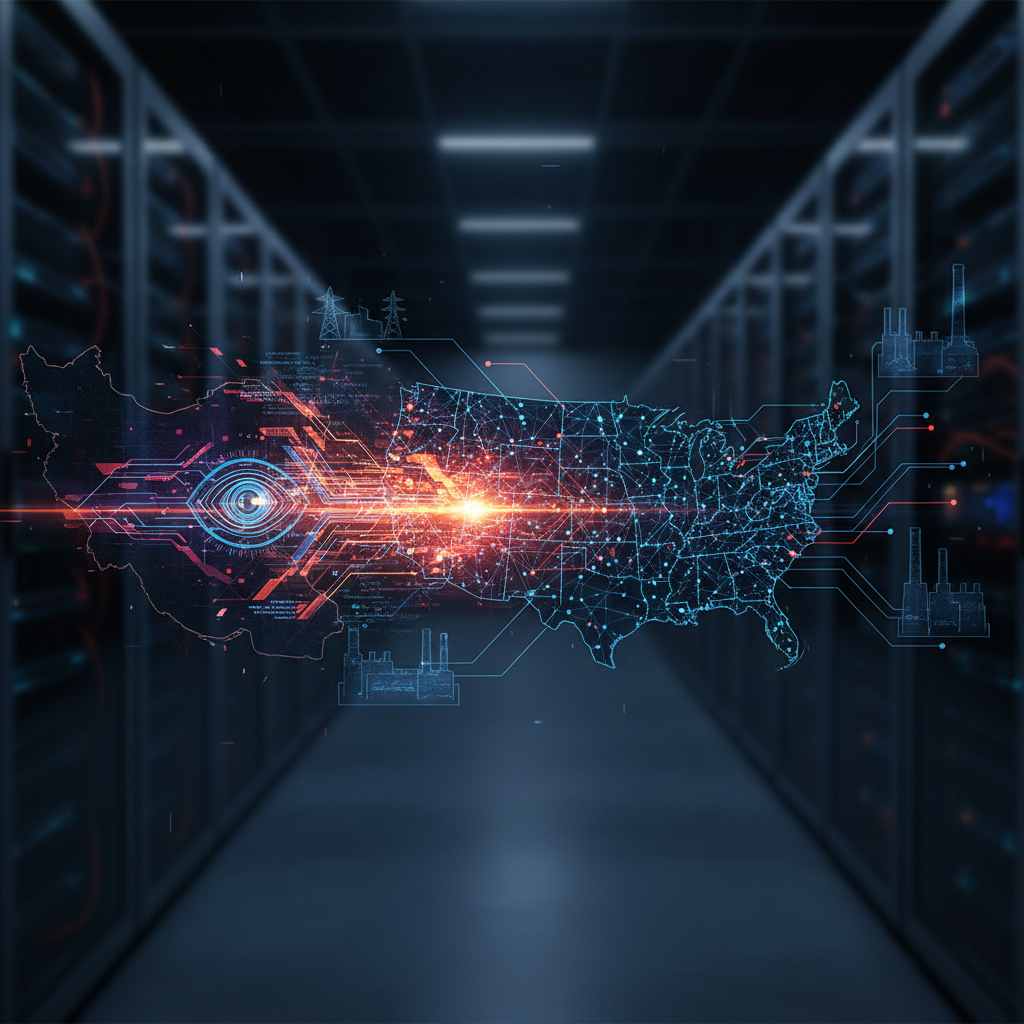
US officials warn Iranian hackers are targeting exposed industrial control systems (PLCs) in critical infrastructure. Learn what makes these systems vulnerable and the essential steps organizations must take to defend against this growing threat.
So, you've probably seen the headlines. The US government is sounding the alarm again. This time, it's about Iranian-linked hackers. They're not just probing around anymore. They're actively targeting a very specific piece of technology that keeps our lights on, our water flowing, and our factories running.
We're talking about Rockwell and Allen-Bradley programmable logic controllers, or PLCs for short. These aren't your typical office computers. They're the industrial brains behind critical infrastructure. Think power grids, water treatment plants, and manufacturing facilities. The scary part? These hackers are finding PLCs that are exposed directly to the internet. It's like leaving the back door to a power plant wide open.
### What Are Rockwell/Allen-Bradley PLCs Anyway?
Let's break this down without the tech jargon. Imagine you have a giant, complex machine. It needs to know when to start, stop, speed up, or adjust temperature. A PLC is the little computer that makes all those decisions automatically. It follows a set program to control physical processes.
Rockwell Automation's Allen-Bradley brand is a giant in this space, especially here in the US. Their controllers are everywhere in industrial settings. They're reliable, they're trusted, and that's exactly why they're a target. Compromising one of these can give an attacker frightening control over real-world systems.
So why would Iranian hackers want these? The motivations are likely a mix of espionage, disruption, and positioning. By gaining a foothold in these systems, they can gather intelligence, potentially cause operational havoc, or lay the groundwork for future attacks during times of heightened tension. It's a strategic move, not just random vandalism.
### How Can US Organizations Protect Themselves?
This isn't a hopeless situation. Far from it. But it requires moving beyond basic cybersecurity. Protecting industrial control systems is a different ball game. Here are some concrete steps that critical infrastructure operators should be taking right now.
- **Isolate, Isolate, Isolate:** The number one rule is that PLCs should never be directly accessible from the public internet. They must live on segmented, isolated networks. If remote access is absolutely necessary, it must go through heavily fortified gateways with multi-factor authentication.
- **Patch Relentlessly:** Industrial systems are notorious for running outdated software. Vendors like Rockwell issue security advisories and patches. Organizations must have a rigorous process to test and apply these updates, even if it requires a planned downtime.
- **Implement Robust Monitoring:** You can't protect what you can't see. Deploy network monitoring tools specifically designed for industrial protocols. Look for unusual traffic patterns or commands that deviate from normal operations.
- **Conduct Regular Security Audits:** Don't assume your defenses are solid. Bring in experts who specialize in operational technology (OT) security to conduct penetration tests and vulnerability assessments. They'll think like the hackers do.
As one security expert I spoke to recently put it, "We've spent decades connecting our industrial world to the internet for convenience. Now, we're realizing the immense responsibility that comes with it."
The bottom line is this: the threat is real and sophisticated. But it's also manageable. By understanding what's being targeted and why, and by implementing a layered, defense-in-depth strategy focused on these unique systems, US critical infrastructure can build a much more resilient posture. It's about moving from reaction to proactive protection. The time to act was yesterday, but today is the next best thing.