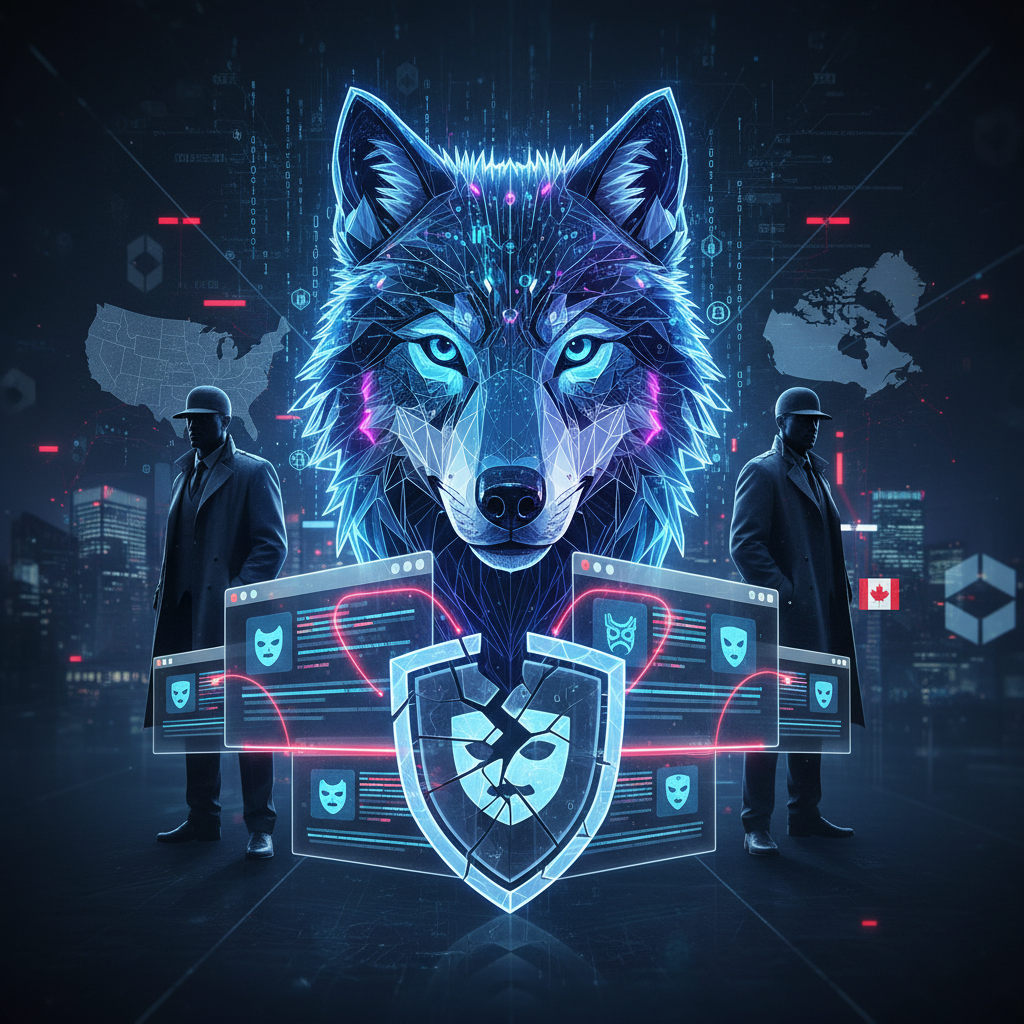
Authorities arrest a Canadian man for running the KimWolf DDoS botnet that infected nearly two million devices. Learn how botnets work and how to protect your digital privacy.
It's not every day you hear about a botnet that infected nearly two million devices. But that's exactly what happened with the KimWolf operation. U.S. and Canadian authorities recently arrested and charged a Canadian man for running this massive DDoS botnet. Let's break down what this means for online security and why it matters to you.
### The KimWolf Botnet Explained
So, what exactly is a botnet? Think of it like a zombie army of computers. Hackers take over devices—often without the owner knowing—and use them to launch attacks. In this case, KimWolf was used for distributed denial-of-service (DDoS) attacks. That's when thousands of devices flood a website with traffic, knocking it offline.
The scale here is staggering. Nearly two million devices worldwide were infected. That's like the population of Houston, Texas, all turned into digital soldiers for cybercriminals. The suspect, a Canadian man, now faces serious charges in both the U.S. and Canada.
### How Botnets Like This Affect You
You might think, "I'm just one person, why would hackers target me?" But botnets don't discriminate. They infect home computers, office laptops, even smart devices like routers and cameras. Once your device is part of a botnet, it runs slower, uses more data, and can be used for illegal activities without your knowledge.
Here's what you can do to protect yourself:
- Keep your software updated. Those annoying update reminders? They're actually fixing security holes.
- Use strong, unique passwords for every device and account.
- Avoid clicking suspicious links or downloading unknown attachments.
- Consider using a reliable antivirus program.
### Why This Arrest Matters for Digital Privacy
This case is a big win for law enforcement. It shows that international cooperation works. The U.S. and Canada worked together to track down the suspect and dismantle the botnet. But it also highlights how vulnerable we all are.
For professionals in the antidetect browser space, this is a reminder of why privacy tools matter. Antidetect browsers help mask your digital fingerprint, making it harder for hackers to target you. They're not just for avoiding tracking—they're a layer of defense against threats like botnets.
### Protecting Your Online Identity
If you're worried about your devices being hijacked, there are steps you can take today. Start with a security audit: check your router settings, disable remote access if you don't need it, and change default passwords. Use a VPN for an extra layer of encryption. And if you're managing multiple accounts or profiles, an antidetect browser can help keep your activities separate and secure.
The KimWolf case is a wake-up call. Cybercriminals are getting smarter, but so are the tools to stop them. Stay informed, stay cautious, and don't let your device become part of someone else's army.