Laravel Lang Supply Chain Attack Exposes Devs to Malware
Robert Moore ·
Listen to this article~4 min
A supply chain attack on Laravel Lang packages used GitHub tags to spread credential-stealing malware via Composer. Developers are urged to check dependencies and rotate credentials.
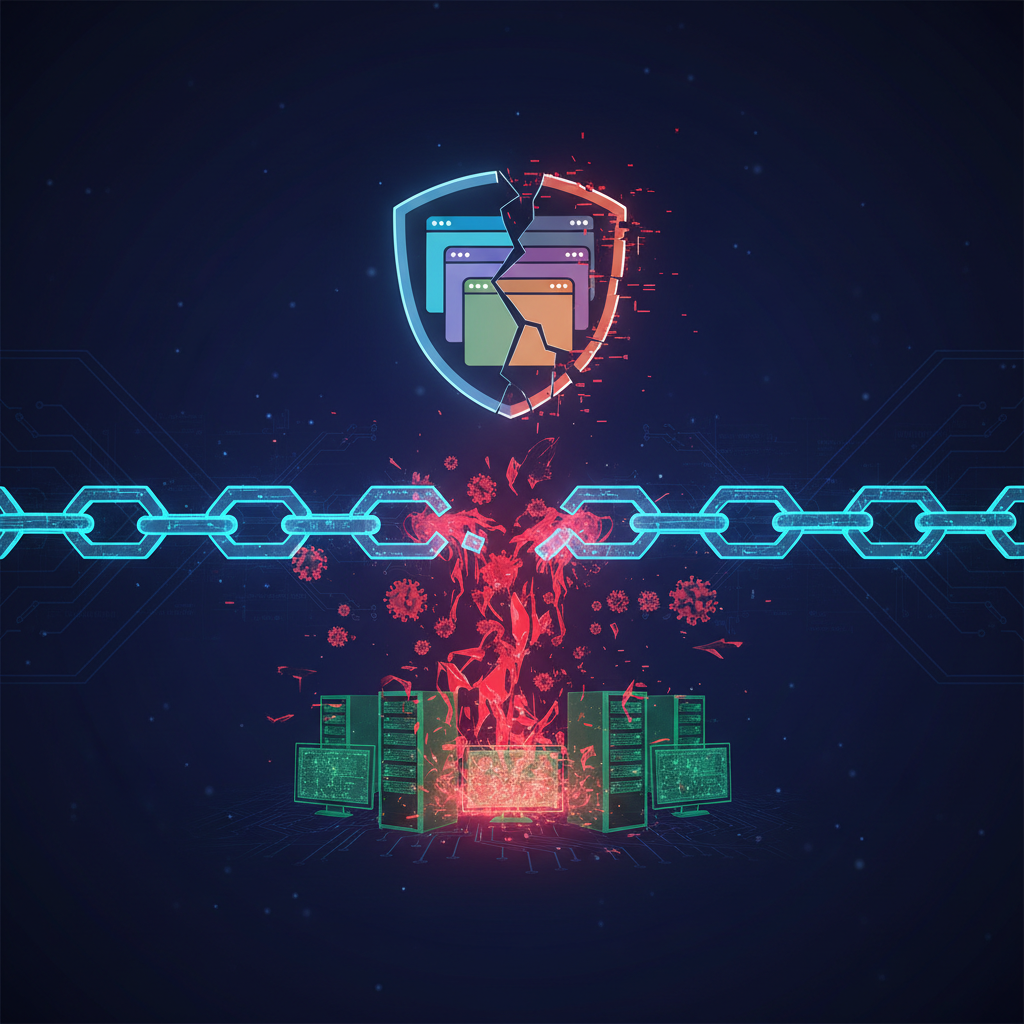
A recent supply chain attack has put Laravel developers on high alert. Hackers hijacked the Laravel Lang localization packages and used them to spread credential-stealing malware. This was done by abusing GitHub version tags to push malicious code through Composer packages. If you're a developer using these tools, it's time to pay attention. This isn't just a minor bug—it's a serious threat that could compromise your entire project.
### What Happened Exactly?
The attack targeted the Laravel Lang packages, which are popular for managing translations in Laravel apps. Attackers gained control of these packages and inserted malicious code. They cleverly used GitHub version tags to make the infected versions look legitimate. When developers ran Composer updates, they unknowingly downloaded malware designed to steal credentials like login details and API keys. This is a classic supply chain attack, where the trust in a third-party tool is exploited to harm the end user.
### Why Should You Care?
If you've ever used Laravel Lang in a project, your system could be at risk. The malware doesn't just sit there—it actively steals sensitive data. Imagine someone grabbing your database passwords or cloud service credentials. That's the kind of damage we're talking about. Even if you think you're safe, the attack shows how vulnerable open-source ecosystems can be. It's a wake-up call for all developers to double-check their dependencies.
### How to Protect Yourself
Here are some steps you can take right now:
- Review your Composer dependencies. Check if you've installed any recent versions of Laravel Lang.
- Look for unusual files or code in your project, especially in vendor directories.
- Use tools like `composer audit` to scan for known vulnerabilities.
- Rotate all credentials that might have been exposed, including passwords and API keys.
- Consider using a security-focused package manager or a lock file to prevent automatic updates.
### The Bigger Picture
This attack is a reminder that supply chain threats are real and growing. They don't just affect big companies—they target everyday developers like you. The best defense is awareness and proactive security. Keep your dependencies updated but vet them carefully. Use tools that verify package integrity, like checksums or digital signatures. And always, always back up your data.
### What's Next for Laravel Users
The Laravel team has likely patched the issue by now, but that doesn't mean you're in the clear. Old, infected versions could still be lurking in your projects. Run a full scan of your codebase and update to the latest safe versions. If you spot anything suspicious, report it to the package maintainers immediately. Staying vigilant is your best bet against these kinds of attacks.
In the end, this incident shows how important it is to trust but verify. Even well-known packages can be compromised. So take a few minutes today to check your Laravel Lang setup. It might save you from a major headache down the road.
A deeper breakdown of GoLogin Review 2026 — Fast, affordable anti-detect browser with cloud profiles - real examples, numbers, and what actually works.
A deeper breakdown of Undetectable.io Review 2026 — Unlimited local profiles with solid fingerprint masking - real examples, numbers, and what actually works.