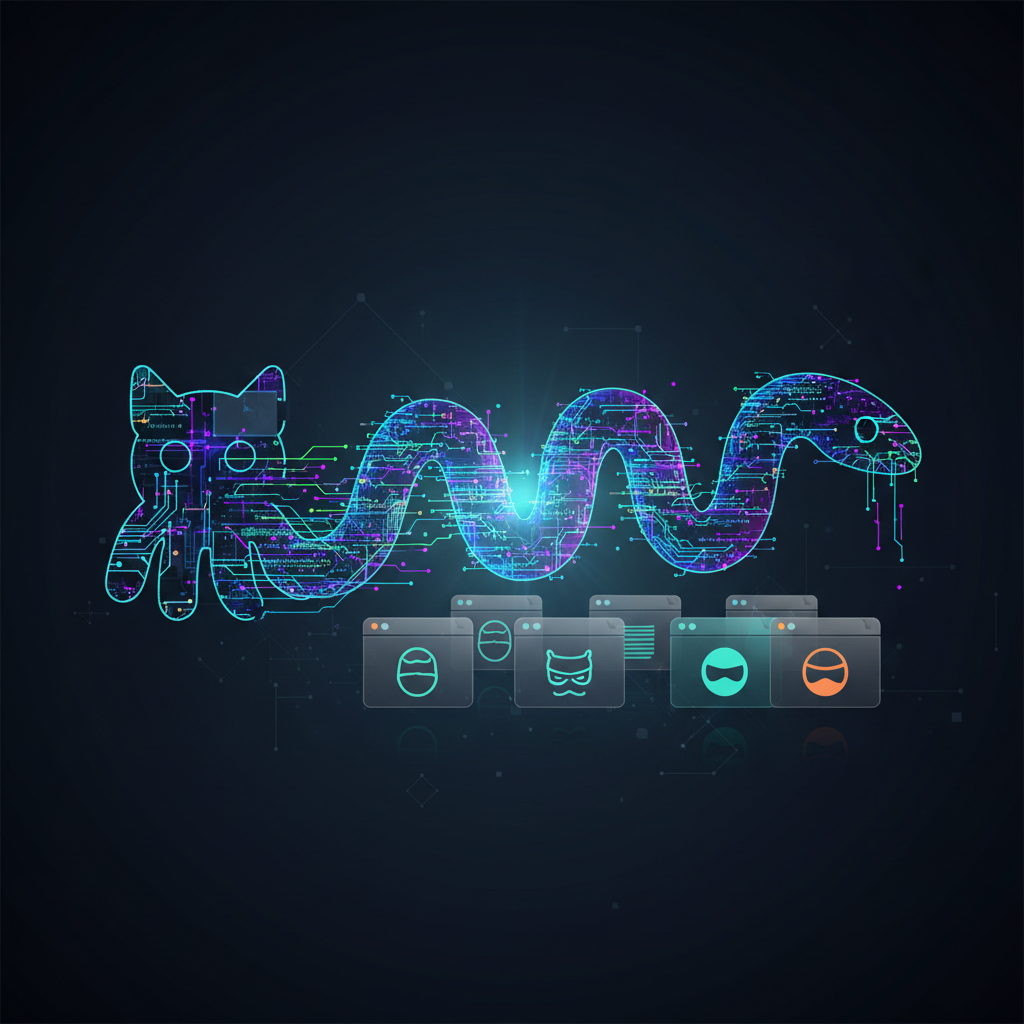
The Miasma credential-stealing framework's source code briefly appeared on GitHub. Learn how this supply-chain threat works and how to protect your digital identity with practical tips.
If you follow cybersecurity news, you might have heard about the Miasma credential-stealing attack framework. It recently made headlines for targeting open-source ecosystems through supply-chain attacks. But here's the twist: its source code was briefly open-sourced on GitHub. That's right—the very code designed to steal credentials was out there for anyone to see, at least for a little while.
Let's break down what this means for you and your digital security. We'll keep it real and practical, like we're chatting over coffee.
### What Is the Miasma Worm?
Think of Miasma as a sophisticated tool for cybercriminals. It's not just any malware; it's a framework that focuses on stealing credentials—like usernames, passwords, and other sensitive data. What makes it scary is how it spreads: through supply-chain attacks. That means it infects trusted software or libraries, then rides along to compromise everyone who uses them.
Imagine you buy a seemingly safe package from a store, but it secretly contains a hidden camera. That's Miasma in the digital world. It hides inside legitimate code, waiting to snatch your login info when you type it in.
### The GitHub Leak: A Brief Window
Recently, someone posted the Miasma source code on GitHub. It didn't stay up long—likely taken down due to GitHub's policies against malware. But even a short exposure is dangerous. Why?
- **Copycat attacks**: Other hackers can study the code and create their own versions.
- **Improved variants**: Criminals can tweak it to bypass existing defenses.
- **Wider distribution**: The code might have been downloaded before removal.
This isn't just a curiosity. It's a real threat. If you're a developer or run a business that relies on open-source tools, pay attention.
### How Does It Target Open-Source Ecosystems?
Supply-chain attacks work by compromising a link in the chain. For example:
- A popular JavaScript library gets infected.
- Developers unknowingly include it in their projects.
- Their users—your customers—get compromised.
Miasma specifically targets credential storage. It might hook into browser password managers, keyloggers, or even intercept API calls. Once it has your credentials, it sends them to a command-and-control server.
### What Can You Do to Protect Yourself?
Don't panic—but do take action. Here are some practical steps:
- **Update everything**: Keep your software, libraries, and dependencies current. Patches often fix vulnerabilities.
- **Use a password manager**: They generate strong, unique passwords and store them securely. Just make sure it's a reputable one.
- **Enable two-factor authentication (2FA)**: This adds a second layer of security. Even if your password is stolen, the attacker can't log in.
- **Monitor your accounts**: Watch for unusual activity. Many services offer alerts for new logins.
- **Consider antidetect browsers**: If you manage multiple online identities or work with sensitive data, antidetect browsers can help. They create isolated environments, making it harder for malware to steal cross-account credentials.
### Why Antidetect Browsers Matter Here
You might wonder, "Why mention antidetect browsers?" Well, they're not just for privacy enthusiasts. In a world where credential-stealing frameworks like Miasma are evolving, antidetect browsers offer a layer of separation. Each profile acts like a separate computer, so if one gets compromised, the others stay safe.
For businesses handling multiple client accounts or managing digital marketing campaigns, this is huge. It's like having separate lockers for each set of valuables instead of one big safe.
### The Bigger Picture
The Miasma leak is a wake-up call. It shows how quickly dangerous tools can spread. The cat's out of the bag, and we all need to be smarter about security.
Remember, cybersecurity isn't about being paranoid. It's about being prepared. Stay updated, use strong passwords, and consider tools like antidetect browsers for extra protection. If you have questions, drop them in the comments. We're all in this together.