A new Linux implant called Quasar Linux RAT (QLNX) targets developers' systems to steal credentials, log keystrokes, and compromise the software supply chain. Learn how to protect yourself.
A new, previously undocumented Linux implant called Quasar Linux RAT (QLNX) is actively targeting developers' systems. Its goal? To quietly slip in and steal credentials, log keystrokes, manipulate files, and more. This isn't just another malware strain—it's a direct threat to the software supply chain.
### What is Quasar Linux RAT (QLNX)?
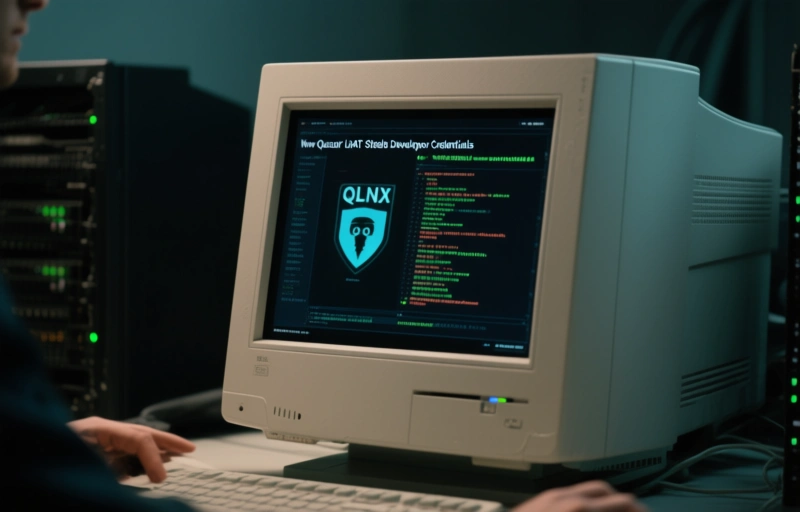
Think of QLNX as a digital spy that burrows into a developer's machine. Once inside, it can do a lot of damage without making a sound. Security researchers first spotted it in the wild, and they're warning everyone in DevOps to pay attention. The implant is designed to establish a silent foothold, which means you might not even know it's there until it's too late.
### How Does It Work?
QLNX operates like a Swiss Army knife for attackers. Here's what it can do:
- **Credential Harvesting**: It grabs login details, API keys, and other sensitive data.
- **Keylogging**: Every keystroke you type is recorded.
- **File Manipulation**: It can read, write, or delete files on your system.
- **Clipboard Monitoring**: Anything you copy or paste is captured.
- **Network Tunneling**: It creates a hidden channel for data exfiltration.
This isn't a simple virus. It's a sophisticated tool that gives attackers complete control over your development environment.

### Why Should Developers Care?
If you're a developer or work in DevOps, this is your wake-up call. QLNX doesn't just target your personal data—it goes after your credentials for the software supply chain. That means it can compromise the code you write, the libraries you use, and the systems you deploy. Once an attacker has your credentials, they can inject malicious code into your projects, potentially affecting thousands of users downstream.
> "QLNX targets developers and DevOps credentials across the software supply chain," security experts warn.
### How to Protect Yourself
You don't have to be a cybersecurity expert to stay safe. Here are some practical steps:
- **Use Antidetect Browsers**: Tools like antidetect browsers can help mask your digital fingerprint, making it harder for malware to track you.
- **Enable Two-Factor Authentication**: Add an extra layer of security to your accounts.
- **Regularly Update Your Software**: Patches often fix vulnerabilities that malware exploits.
- **Monitor Your Systems**: Look for unusual activity, like unexpected file changes or network connections.
### The Bigger Picture
This isn't just about one piece of malware. It's about a growing trend: attackers are increasingly focusing on developers because they hold the keys to the kingdom. By stealing developer credentials, they can bypass traditional security measures and hit the entire supply chain. That's why the best antidetect browser and other privacy tools are becoming essential for anyone working in tech.
### Final Thoughts
Stay vigilant. The Quasar Linux RAT is a reminder that no one is immune to cyber threats. Whether you're a solo developer or part of a large team, taking proactive steps to secure your environment is non-negotiable. Use antidetect browsers, keep your systems updated, and always question suspicious activity.