Qilin Ransomware Hits German Political Party, Threatens Data Leak
Robert Moore ·
Listen to this article~5 min
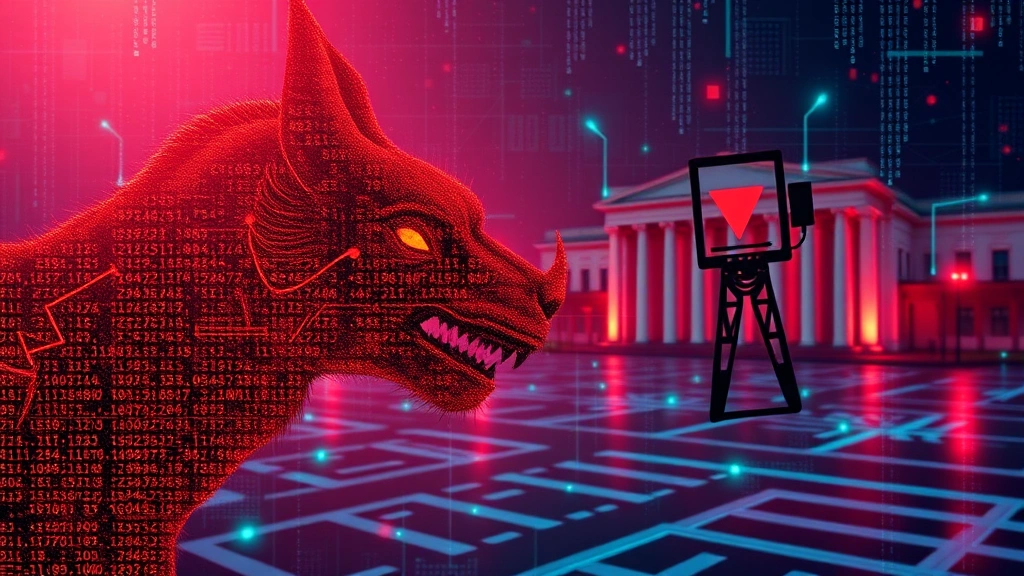
The Qilin ransomware group attacked Germany's Die Linke political party, causing an IT outage and threatening to leak sensitive data. This highlights growing digital security threats to political organizations.
Let's talk about something that should concern anyone who values digital privacy. The Qilin ransomware group just claimed a major attack against Die Linke, Germany's 'The Left' political party. This isn't just another tech news blip—it's a real-world example of how vulnerable our digital systems can be.
They forced a complete IT systems outage for the party. Think about that for a second. No emails, no internal communications, no access to critical files. Everything just... stopped. And now they're threatening to leak sensitive data. We're talking about political strategies, internal communications, possibly even personal information about party members.
### What This Attack Really Means
This attack shows us something important. Ransomware groups aren't just targeting corporations anymore. They're going after political organizations, which creates a whole different set of problems. When a company gets hit, it's about money. When a political party gets hit, it's about influence, secrets, and potentially even national security.
I've been in this digital privacy space for years, and I'll tell you—this pattern is becoming more common. These groups know political parties often have older IT systems and might not have the same security budgets as big tech companies. They're easier targets, and the data they hold can be incredibly valuable.
### The Growing Threat Landscape
Here's what keeps me up at night:
- Political organizations handle sensitive voter data
- They discuss confidential policy strategies
- They communicate with government officials
- Their internal debates could influence public opinion if leaked
When that kind of information falls into the wrong hands, we're not just talking about financial loss. We're talking about potential manipulation of democratic processes. That's why attacks like this matter to everyone, not just the party members directly affected.
### Protecting Yourself in This New Reality
So what can we learn from this? Whether you're running a political campaign, a small business, or just want to protect your personal data, some basic principles apply:
- Always use strong, unique passwords for every account
- Enable two-factor authentication wherever possible
- Keep all your software updated—those security patches matter
- Back up your data regularly, and keep those backups offline
- Be suspicious of unexpected emails or messages
As one cybersecurity expert I respect once told me, 'The best security system is the one you actually use.' It's not about having the most expensive tools—it's about being consistent with the basics.
### Why Digital Privacy Matters More Than Ever
Here's the thing most people don't realize until it's too late. Your digital footprint isn't just about what you post on social media. It's about every system you interact with, every account you create, every piece of data you generate. When organizations you trust get compromised, your data could be part of what leaks.
This attack on Die Linke should serve as a wake-up call. We need to start thinking about digital security the way we think about locking our doors at night. It's not paranoid—it's practical. In today's world, your data is valuable currency, and there are plenty of people willing to steal it.
The Qilin group's attack shows how bold these criminals have become. They're not hiding in shadows anymore—they're publicly claiming responsibility and making threats. That takes confidence, and that confidence comes from knowing how vulnerable many organizations still are.
### Moving Forward with Better Security
What's the takeaway here? We all need to up our game. Whether you're part of a political party, a business, or just an individual trying to protect your privacy, the rules have changed. The threats are more sophisticated, the attackers are more brazen, and the consequences are more serious.
Start with the basics I mentioned earlier. Then consider what additional protections make sense for your situation. Maybe it's using encrypted communication tools. Maybe it's being more selective about what information you share online. Maybe it's advocating for better security practices in organizations you're part of.
This isn't about living in fear. It's about living with awareness. The digital world offers incredible opportunities, but it also comes with risks. Understanding those risks—and taking reasonable steps to manage them—is just part of being a responsible citizen in the 21st century.
Remember, security isn't a destination. It's a journey. And every attack like this one reminds us why that journey matters.