RoadK1ll Implant: How Hackers Pivot Through Networks
Michael Miller ·
Listen to this article~4 min
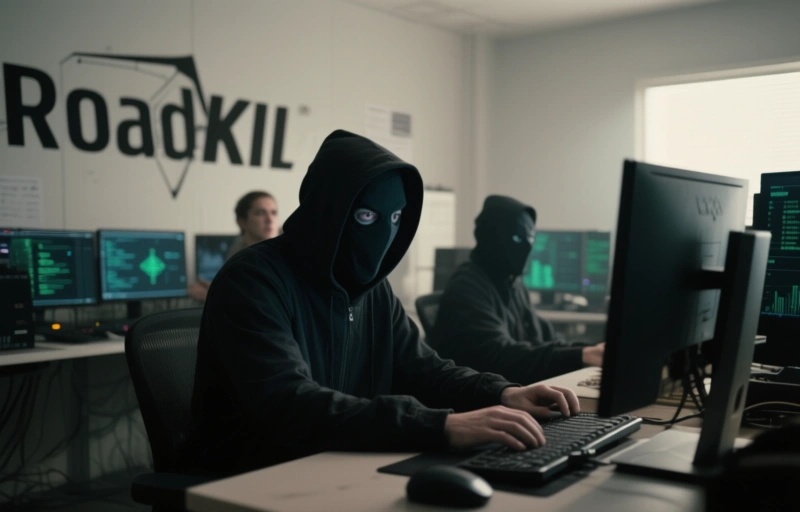
The RoadK1ll WebSocket implant lets hackers move silently through compromised networks. Learn how this stealthy threat works and what security teams can do to detect and contain lateral movement attacks.
Let's talk about something that's been keeping security teams up at night. A newly identified malicious implant named RoadK1ll is enabling threat actors to quietly move from a compromised host to other systems on the network. It's like a burglar who, after picking your front door lock, can suddenly appear in any room of your house without making a sound.
This isn't your average malware. The quiet movement is what makes it so dangerous. Most security tools are looking for loud, obvious attacks. RoadK1ll operates in the shadows, using WebSocket connections to slip past traditional defenses.
### How RoadK1ll Actually Works
Think of it this way: once a hacker gets a foothold on one machine (maybe through a phishing email or an unpatched vulnerability), RoadK1ll gives them a secret tunnel system. They can crawl from that initial point of entry to servers, workstations, and even backup systems without triggering alarms.
- It establishes persistent WebSocket connections that look like normal web traffic
- It uses encrypted channels that blend in with legitimate network activity
- It can lie dormant for days or weeks before activating
- It creates backdoors that are incredibly difficult to detect and remove
The real problem? Most network monitoring tools aren't built to catch this kind of subtle, patient movement. They're looking for the equivalent of someone kicking down a door, not someone quietly turning a key.

### Why This Changes the Game for Security Teams
Here's the uncomfortable truth: our traditional security models are built around perimeter defense. We put up walls and assume that's enough. RoadK1ll proves that once someone's inside those walls, they can move almost freely.
I was talking with a colleague last week who put it perfectly: "It's not about keeping them out anymore. It's about limiting how far they can travel once they're in." That shift in thinking is crucial. We need to start building internal checkpoints, segmenting our networks, and monitoring east-west traffic just as carefully as we monitor north-south.
### What You Can Do Right Now
Don't panic, but do take action. Start with the basics - they still matter more than most people realize.
First, patch everything. I know, I know, you've heard it a million times. But unpatched systems are still the number one entry point for threats like RoadK1ll. That update you've been putting off for three weeks? Do it today.
Second, segment your network. Don't let every system talk to every other system. Create zones and control the traffic between them. If someone compromises a marketing workstation, they shouldn't be able to jump directly to your financial servers.
Third, monitor differently. Look for unusual WebSocket traffic patterns. Watch for connections that stay open too long or transfer data at odd times. Train your team to recognize the subtle signs of lateral movement.
### The Bigger Picture
RoadK1ll isn't an isolated threat. It's part of a trend toward more sophisticated, stealthy attack tools. As one security researcher noted recently, "The era of noisy attacks is ending. The future belongs to threats that know how to whisper."
That means we need to listen more carefully. We need to assume breaches will happen and focus on containment. We need to stop thinking in terms of perfect prevention and start thinking in terms of resilient response.
The good news? Tools and strategies exist to combat this. Zero-trust architectures, behavioral analytics, and proper network segmentation can all help. But they require investment - not just in technology, but in changing how we think about security.
Start today. Look at your network through an attacker's eyes. Where would you go if you got in? How far could you travel? Answer those questions, and you're already ahead of most threats, RoadK1ll included.