See Your Network Like an Attacker: Beyond the Zero-Day
Michael Miller ·
Listen to this article~4 min
Assume the breach. Zero-days keep shipping, AI is writing exploits faster than anyone patches, and "patch everything in time" stopped working years ago. Stop betting the org on winning that race. You don't control which bug lands. You control what it can reach once it does. That is a question about
Assume the breach. Zero-days keep shipping, AI is writing exploits faster than anyone patches, and "patch everything in time" stopped working years ago. Stop betting the org on winning that race. You don't control which bug lands. You control what it can reach once it does.
That is a question about the shape of your network, and most teams have the shape wrong. — HD Moore, creator of Metasploit
### Why Your Network's Shape Matters More Than You Think
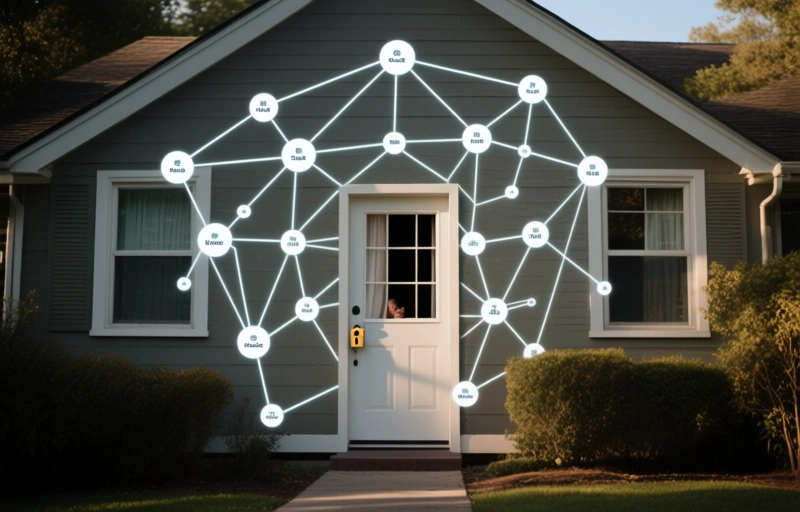
Think of your network like a house. You can install the best locks on the front door, but if a window is left open, someone can still get in. Zero-days are those open windows—you can't predict when someone will find one. What you can control is how far they can roam once they're inside. That's the shape of your network.
Most teams build networks that are flat, like a single open floor plan. Once an attacker gets in, they can walk right to the server room. Instead, you want a network that's segmented, like a house with locked doors between each room. If an attacker breaks in through a window in the living room, they still can't get into the bedroom without picking another lock.
### Practical Steps to Reshape Your Network
Here's how you can start thinking like an attacker and hardening your network:
- **Map your attack surface.** Use tools like Metasploit or other vulnerability scanners to see what an attacker would see. Don't just look at your own network—look at it from the outside.
- **Segment, segment, segment.** Break your network into smaller zones. Use firewalls and VLANs to control traffic between them. If one zone is compromised, the others stay safe.
- **Assume breach in your design.** Build your security policies as if an attacker is already inside. That means least-privilege access, monitoring lateral movement, and having an incident response plan ready.
- **Test your defenses regularly.** Run red team exercises, penetration tests, and tabletop drills. Know what happens when a zero-day hits before it actually does.
### The Mindset Shift: From Prevention to Resilience
You can't prevent every attack. That's a fact. But you can build a network that's resilient—one that limits the damage and gets you back on your feet fast. HD Moore nailed it: you don't control which bug lands, but you control what it can reach. Stop trying to win the race against zero-days. Instead, change the game by making your network a maze, not a highway.
### Final Thoughts
Your network's shape is your strongest defense. Start thinking like an attacker today, and make it so hard for them to move that they give up and go somewhere else. The goal isn't to be invincible—it's to be a harder target than the next guy.
A deeper breakdown of GoLogin Review 2026 — Fast, affordable anti-detect browser with cloud profiles - real examples, numbers, and what actually works.
A deeper breakdown of Undetectable.io Review 2026 — Unlimited local profiles with solid fingerprint masking - real examples, numbers, and what actually works.