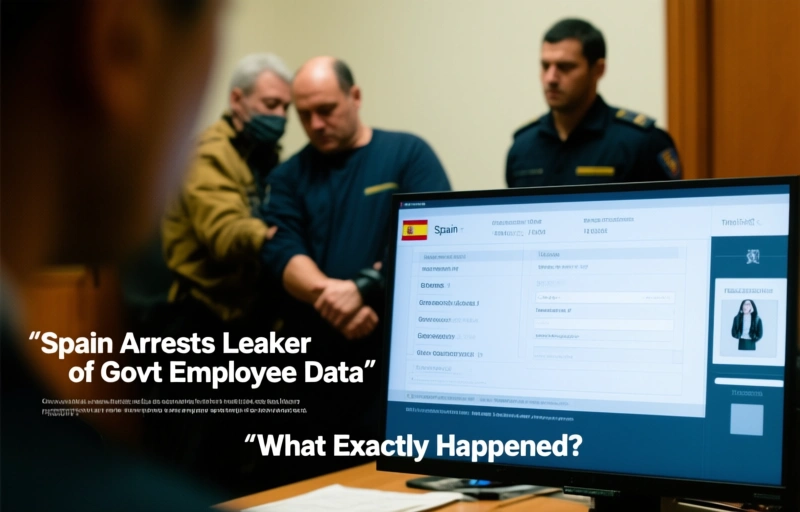
Spain arrests a leaker for exposing government employee data, including from the National Cybersecurity Institute. This case highlights risks for antidetect browser users and digital privacy professionals.
The Spanish National Police just made a big move in the world of digital privacy. They arrested someone accused of leaking sensitive info about government employees, including folks at the National Cybersecurity Institute (INCIBE). This isn't just a small slip-up—it's a serious breach that hits at the heart of national security. For anyone using antidetect browsers or working in online anonymity, this story hits close to home. It shows how even the pros can get caught when data leaks happen.
### What Exactly Happened?
The arrest came after authorities found that a doxer was sharing personal details of state workers. Think names, addresses, maybe even employment records. This kind of leak can lead to identity theft, targeted attacks, or worse. The police acted fast, but the damage might already be done. It's a reminder that no system is totally safe, especially when someone inside decides to spill secrets.
### Why This Matters for Antidetect Browser Users
You might be thinking, "I'm not a government employee, so why should I care?" Well, here's the thing: this leak shows how fragile digital privacy can be. If you're using an antidetect browser to manage multiple accounts or stay anonymous, you're already aware of the risks. But this case proves that even the most secure setups can be compromised if the human element fails. A single person with access can undo all your hard work.

### Key Takeaways for Your Privacy Strategy
- **Always layer your security**: Don't rely on just one tool. Combine antidetect browsers with VPNs, encrypted messaging, and strong passwords.
- **Limit data sharing**: Even within trusted circles, be careful about what you share. The less info out there, the harder it is for leakers to cause harm.
- **Stay updated**: Follow news like this to learn from others' mistakes. The digital world changes fast, and yesterday's solution might not work tomorrow.
### The Bigger Picture: Doxing and Digital Safety
Doxing—publishing someone's private info without consent—is a growing problem. It's not just about celebrities or activists anymore. Regular people, including government workers, are targets. The Spanish case is a wake-up call. It shows that no one is immune, and the consequences can be severe. For professionals in the antidetect browser space, this reinforces the need for constant vigilance.
### How to Protect Yourself
If you're worried about your own data, start with the basics. Use a reputable antidetect browser that masks your digital fingerprint. Don't reuse passwords across accounts. Enable two-factor authentication wherever possible. And think twice before clicking on links from unknown sources. These simple steps can go a long way.
### Final Thoughts
This arrest is a positive step, but it's just one piece of the puzzle. The fight for digital privacy is ongoing. Whether you're a casual user or a pro, staying informed is your best defense. Keep learning, keep adapting, and never assume you're completely safe. The tools are out there—antidetect browsers included—but they're only as good as the person using them.