A threat actor called DriveSurge has hijacked thousands of sites using ClickFix and FakeUpdates attacks. This post explains how these techniques work and why antidetect browsers are key for protection.
### The DriveSurge Campaign: A Wake-Up Call for Online Security
You might think your favorite websites are safe, but a new wave of attacks proves otherwise. A threat actor called DriveSurge has been running large-scale malware distribution campaigns. They use two sneaky techniques: ClickFix and FakeUpdates. These attacks have compromised thousands of sites, turning trusted pages into traps. It's a reminder that no site is completely secure, and you need to stay vigilant.
### How ClickFix and FakeUpdates Work
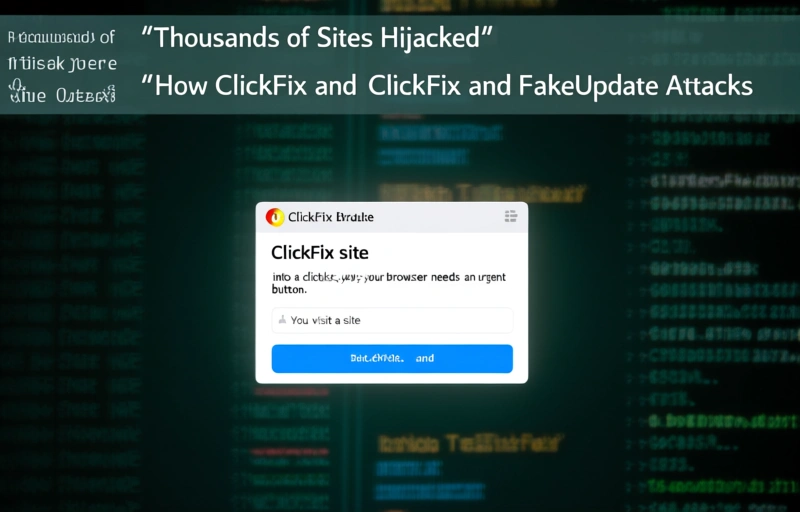
Let's break down these methods. ClickFix tricks you into clicking a fake update button. You visit a site, and a pop-up says your browser needs an urgent update. Click it, and you download malware instead. FakeUpdates is similar but targets software updates, like Adobe Flash or Java. DriveSurge combines these to maximize damage.
- ClickFix: Fake browser update prompts
- FakeUpdates: Fake software update alerts
- Both lead to malware downloads
The goal is to steal your data or take control of your system. DriveSurge operates on a massive scale, hitting thousands of sites at once. This isn't a small operation; it's a coordinated attack on the web's infrastructure.
### Why Antidetect Browsers Matter Now
If you're in the digital privacy space, you already know the risks. But here's the thing: antidetect browsers can be a game-changer. They mask your digital fingerprint, making it harder for attackers to track you. For professionals managing multiple accounts, this is crucial. But even for everyday users, using a secure browser helps.
> "The best defense is a good offense. Antidetect browsers give you control over your online identity."
DriveSurge's campaign shows how easily sites can be hijacked. An antidetect browser adds a layer of protection. It doesn't just hide your IP; it scrambles your browser fingerprint. That means even if a site is compromised, your real identity stays safe.

### Protecting Yourself from These Attacks
You don't have to be a tech expert to stay safe. Here are some practical steps:
- Always check URLs before clicking anything. If a site asks for an update, go directly to the official site.
- Use an antidetect browser for sensitive activities like banking or managing online accounts.
- Keep your software updated manually. Don't rely on pop-up prompts.
- Install a reliable ad blocker to reduce malicious ads.
These steps won't make you invincible, but they'll lower your risk. DriveSurge targets the careless. Don't be an easy target.
### The Bigger Picture for Privacy Professionals
For those of us in the digital privacy field, this is a call to action. DriveSurge's campaign is just one example of how threat actors evolve. They find new ways to hijack sites and trick users. As a professional, you need to stay ahead. Antidetect browsers are part of the solution, but education matters too.
Talk to your clients about these threats. Explain how ClickFix and FakeUpdates work. Show them how a secure browser setup can prevent attacks. The more people know, the harder it is for actors like DriveSurge to succeed.
### Final Thoughts
DriveSurge isn't going away anytime soon. Their methods are effective, and they've already compromised thousands of sites. But you have tools to fight back. Antidetect browsers, good habits, and awareness are your best defenses. Stay informed, stay secure, and don't let a fake update ruin your day.
Remember, the web is full of traps. But with the right approach, you can navigate it safely. Keep your guard up, and always think before you click.