The UN's World Food Programme suffered a breach affecting 600,000 Gaza households. Learn what happened and how antidetect browser users can apply these lessons to protect their digital privacy.
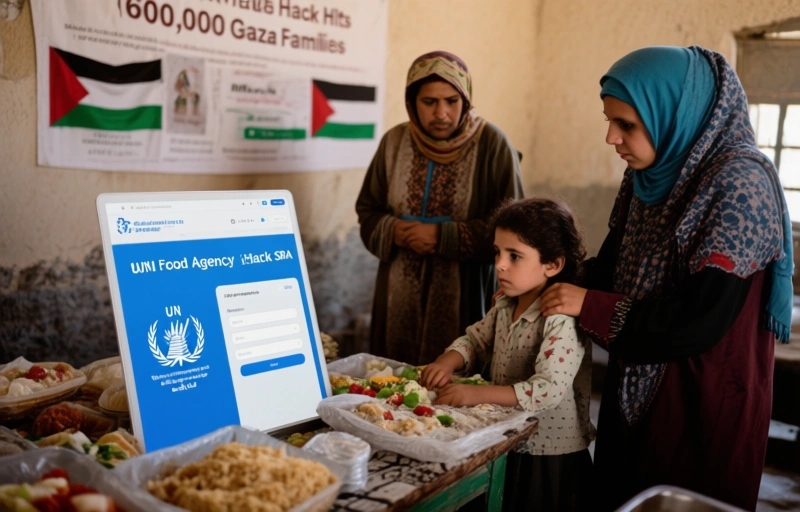
The United Nations' World Food Programme (WFP), the biggest humanitarian organization on the planet, dropped some unsettling news over the weekend. Their self-registration application for Palestine got breached. We're talking about a system that held data on roughly 600,000 households in Gaza. That's a lot of people whose personal info might now be floating around in the wrong hands.
Now, if you work with antidetect browsers or deal with digital privacy on a daily basis, this story hits close to home. It's a stark reminder that even the most trusted organizations can get it wrong. And when they do, the fallout isn't just about leaked emails—it's about real lives, real safety.
### What Actually Happened?
The breach targeted WFP's Self-Registration Application (SRA). This tool was designed to help Palestinian families register for food assistance. Think of it as a digital lifeline in a region where food is scarce. But instead of just helping, the system became a vulnerability.
Here's what we know so far:
- The attack exposed personal data of about 600,000 households
- Names, contact info, and registration details were likely compromised
- WFP has confirmed the breach but hasn't shared full technical details yet
- The organization is working with cybersecurity experts to assess the damage
### Why This Matters for Privacy Pros
You might be thinking, "That's a humanitarian issue, not a tech one." But here's the thing: breaches like this show us that no system is bulletproof. Not even one run by the UN. For anyone using antidetect browsers or managing multiple online identities, this is a wake-up call.
When a massive organization with deep pockets gets hacked, it proves that security isn't just about having the best tools. It's about how you use them. If you're running an antidetect browser setup, you already know that a single slip-up can expose everything. The same logic applies here.
### Lessons You Can Apply Right Now
Let's get practical. What can you take away from this breach to protect your own digital footprint?
- **Don't trust any system completely.** Even the WFP, with all its resources, got hit. Always assume something could go wrong.
- **Use layered security.** Antidetect browsers are great, but pair them with strong passwords, two-factor authentication, and regular audits.
- **Limit data sharing.** Only give out what's absolutely necessary. The less data you store, the less can be stolen.
- **Monitor for leaks.** Keep an eye on breach databases and forums. If your info shows up, act fast.
### The Bigger Picture
This breach isn't just a technical failure. It's a human one. Those 600,000 families are already struggling to survive. Now they have to worry about their personal data being misused. That's a heavy burden.
For us in the digital privacy space, it's a reminder that our work matters. Whether you're a freelancer juggling multiple accounts or a business protecting client data, every layer of security counts. An antidetect browser isn't a magic shield, but it's a solid start.
### Final Thoughts
Stay sharp out there. The digital world is getting messier by the day. But with the right tools and a healthy dose of caution, you can stay ahead. If you want to dive deeper into antidetect browsers or privacy strategies, keep reading our blog. We cover this stuff so you don't have to figure it out alone.
Remember: your data is your identity. Guard it like it's the only thing you've got.