Canvas Attack: ShinyHunters Strike Again on Login Portals
Robert Moore ·
Listen to this article~4 min
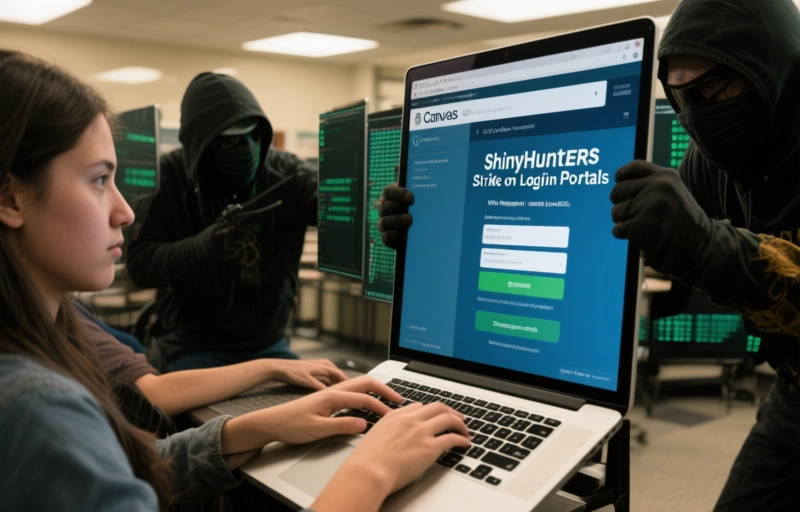
The ShinyHunters extortion gang has breached Instructure again, defacing Canvas login portals for hundreds of US colleges and universities. Learn what happened and how to protect your antidetect browser setup.
The ShinyHunters extortion gang has done it again. They've hit Instructure, the education tech giant behind Canvas, by exploiting a new vulnerability. This time, they defaced login portals for hundreds of colleges and universities across the United States.
This isn't their first rodeo with Instructure. Earlier breaches left many wondering if the company had tightened security. Now, it's clear those gaps remain open. For IT admins and privacy pros, this feels like a gut punch.
### What Happened Exactly?
The attackers didn't just break in and steal data. They changed what students and staff saw when logging into Canvas. Imagine typing in your school credentials and seeing a ransom note instead of your course dashboard. That's the reality for hundreds of institutions.
ShinyHunters used a vulnerability to inject malicious code into the login page. This code redirected users or displayed extortion messages. The gang then demanded payment to stop the attack and restore normal access.
- **Target:** Canvas learning management system login portals
- **Method:** Exploiting a vulnerability to deface pages
- **Impact:** Hundreds of colleges and universities affected
- **Goal:** Extortion for financial gain
### Why This Matters for Antidetect Browser Users
If you work with antidetect browsers—whether for marketing, e-commerce, or privacy—this breach hits close to home. It shows how vulnerable even trusted platforms can be. The same techniques used here could target your accounts or tools.
Antidetect browsers help you manage multiple identities and protect your fingerprint. But they're only as strong as the sites you visit. When a major platform like Canvas gets compromised, your data could be exposed. This is a wake-up call to review your security practices.
### How to Protect Yourself Now
You don't have to wait for the next attack. Take these steps to stay safe:
- **Update everything:** Ensure your antidetect browser and all extensions are on the latest version. Patches fix known vulnerabilities.
- **Use unique credentials:** Never reuse passwords across platforms. A breach in one place shouldn't compromise others.
- **Enable two-factor authentication:** This adds a layer of protection even if login details are stolen.
- **Monitor for anomalies:** Watch for unexpected changes in login pages or account activity. Early detection can limit damage.
### The Bigger Picture
This attack isn't just about Canvas. It's a reminder that no system is bulletproof. ShinyHunters has a track record of targeting education and tech companies. Their methods evolve, and they exploit weaknesses others might overlook.
For professionals using antidetect browsers, this reinforces the need for vigilance. Your browser can mask your digital fingerprint, but it can't stop a site from being hacked. Always pair your tools with good habits—like checking URLs, avoiding suspicious links, and keeping software fresh.
### Final Thoughts
The Canvas breach is a serious event, but it's also a learning opportunity. By understanding what happened and why, you can better protect your own digital life. Stay informed, stay cautious, and don't assume any platform is completely safe.
What steps are you taking to secure your antidetect browser setup? Share your thoughts with your team or community. The more we talk about these risks, the better we can defend against them.
A deeper breakdown of GoLogin Review 2026 — Fast, affordable anti-detect browser with cloud profiles - real examples, numbers, and what actually works.