FBI and Indonesian Police Dismantle W3LL Phishing Network Behind $20M Fraud Attempts
Emily Davis ·
Listen to this article~4 min

The FBI and Indonesian Police dismantled the W3LL phishing network, which used an off-the-shelf toolkit to steal thousands of credentials and attempt over $20 million in fraud. The alleged developer was detained, highlighting the importance of international cooperation against cybercrime.
You've probably heard about phishing attacks, but the W3LL network was something else entirely. This wasn't some lone hacker in a basement; it was a full-blown criminal enterprise that used a ready-made toolkit to steal account credentials from thousands of victims. The FBI and Indonesian National Police finally shut it down, and the alleged developer is now in custody.
### What Made W3LL So Dangerous?
The W3LL toolkit was an off-the-shelf product, meaning anyone with a few bucks could buy it and start phishing. Think of it like buying a pre-built gaming PC instead of assembling one yourself. It lowered the barrier to entry for cybercrime, making it accessible to people who didn't have deep technical skills. The network targeted everything from email accounts to financial platforms.
Here's what the operation involved:
- A phishing-as-a-service model where criminals paid for access to the toolkit.
- Infrastructure spread across multiple countries to avoid detection.
- Attempts to steal over $20 million through fraudulent transactions.
- Thousands of compromised accounts used for identity theft and wire fraud.
### How the Investigation Unfolded
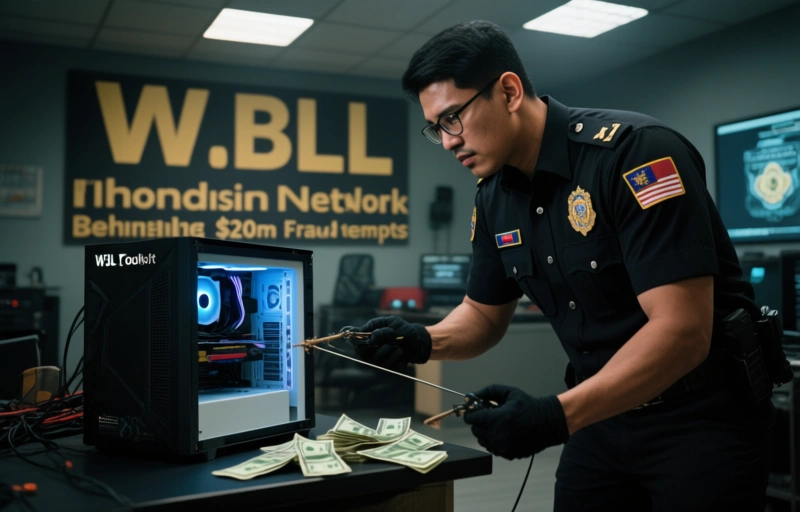
The FBI worked closely with Indonesian authorities to track down the infrastructure and the people behind it. They seized servers, domain names, and other digital assets that kept the operation running. The alleged developer was detained in Indonesia, facing charges that could lead to serious prison time.
"This takedown shows that international cooperation is key to fighting cybercrime," said one official. "No criminal network is safe when law enforcement agencies share intelligence and resources."
### What This Means for Antidetect Browser Users
You might wonder why this matters if you're using antidetect browsers for legitimate purposes like managing multiple accounts or protecting your privacy. The truth is that phishing networks often target the same tools that privacy-conscious users rely on. Criminals try to steal your browser fingerprints or session cookies to bypass security measures.
Here's what you should do to stay safe:
- Always verify the source of any email or message asking for login credentials.
- Use unique passwords for each account and enable two-factor authentication.
- Keep your antidetect browser updated to patch any security vulnerabilities.
- Never click on links in unsolicited messages, even if they look legitimate.
### The Bigger Picture on Cybersecurity
This takedown is a win, but it's not the end of the story. Phishing-as-a-service operations like W3LL are becoming more common because they're profitable. The FBI estimates that cybercrime costs the U.S. economy billions each year, with phishing being one of the top attack vectors.
The good news is that law enforcement is getting better at dismantling these networks. The bad news is that new ones pop up all the time. That's why staying informed and using tools like antidetect browsers responsibly is so important.
### Final Thoughts
If you're in the antidetect browser space, this case is a reminder that privacy and security go hand in hand. The same features that protect your digital identity can also be exploited by criminals if you're not careful. Keep your guard up, use common sense, and always prioritize safety over convenience.
The W3LL network is gone, but the lessons from its takedown will stick around for a long time.