KelpDAO $290M Heist Tied to Lazarus Hackers
Emily Davis ·
Listen to this article~5 min
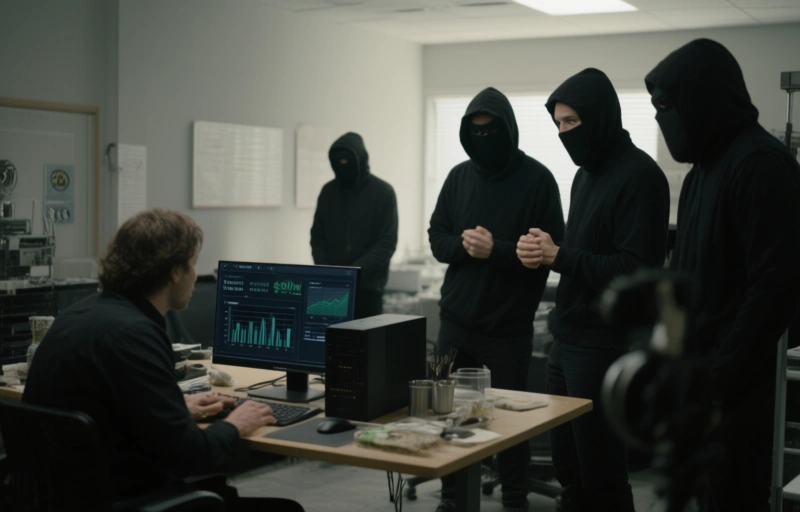
North Korean Lazarus hackers likely stole $290 million from KelpDAO DeFi project. Discover how they exploited smart contracts and what antidetect browser users can learn from this massive heist.
A massive crypto heist has just hit the DeFi world hard. State-sponsored North Korean hackers are likely behind the $290 million theft that targeted the KelpDAO decentralized finance project this past Saturday. If you're working in antidetect browsers or managing digital privacy, this story hits close to home. It's a stark reminder that even the most sophisticated blockchain systems have vulnerabilities that sophisticated state actors can exploit.
### What Happened to KelpDAO?
KelpDAO, a popular DeFi platform, got drained of nearly $300 million in a single coordinated attack. The hackers didn't just grab a few tokens; they systematically emptied the protocol's smart contracts. Security researchers quickly linked the attack to the Lazarus Group, a notorious North Korean hacking collective known for targeting crypto exchanges and DeFi projects. These guys are not your average script kiddies. They're well-funded, patient, and use advanced techniques to hide their tracks.
Think about it: $290 million is a lot of money by any standard. But for a state actor, it's not just about the cash. It's about funding operations and bypassing international sanctions. That's why this matters for everyone in the antidetect browser space. If you're building tools to protect user anonymity, you need to understand how these hackers operate.
### How the Hackers Got In
So, how did they pull it off? The attackers likely exploited a vulnerability in KelpDAO's smart contract code. They used a combination of flash loans, price manipulation, and fake validator nodes to siphon funds. Once they had control, they moved the stolen crypto through a maze of mixers and cross-chain bridges. This is where antidetect browser technology becomes relevant. These hackers use antidetect tools to mask their IP addresses, browser fingerprints, and digital identities. They're essentially using the same tools that privacy-conscious professionals rely on.
- **Flash loan attack**: Borrowed huge sums without collateral to manipulate prices
- **Smart contract exploit**: Found a bug in the code to drain liquidity pools
- **Cross-chain laundering**: Moved funds across multiple blockchains to avoid tracking
- **Antidetect tools**: Used browser spoofing and VPNs to hide their location
If you're an antidetect browser user, this is a wake-up call. The same tech that protects your privacy can also be weaponized. But that doesn't mean you should stop using it. Instead, it means you need to be smarter about how you deploy these tools.
### What This Means for Privacy Pros
For professionals in the antidetect browser space, this attack highlights a few key lessons. First, no system is completely safe. Even the most secure DeFi projects can fall to a determined state actor. Second, privacy tools are a double-edged sword. They protect legitimate users but also shield bad actors. That's why it's crucial to build antidetect solutions that balance anonymity with accountability.
Let's be real here. The crypto world is still the Wild West. And the Lazarus Group is one of the most dangerous outlaws in this digital frontier. They've been linked to the $600 million Axie Infinity hack and countless other thefts. This latest heist just proves they're not slowing down.
### Protecting Yourself in a Post-Heist World
So, what can you do? If you're managing digital identities or running a DeFi project, start with basic hygiene. Use antidetect browsers to separate your personal and professional activities. Never reuse browser fingerprints across accounts. Enable two-factor authentication on everything. And keep your software updated. The hackers are always looking for the next zero-day vulnerability.
Also, consider using hardware wallets for large holdings. Smart contracts can be exploited, but a cold wallet is much harder to crack. And if you're a developer, audit your code regularly. Hire professional security firms to stress-test your protocols. It costs money, but it's cheaper than losing $290 million.
### Final Thoughts
The KelpDAO heist is a brutal reminder that the stakes are high in decentralized finance. State-sponsored hackers are using every tool in the book, including antidetect browsers, to pull off these attacks. But that doesn't mean you should give up on privacy. Instead, use these tools wisely and stay one step ahead. The best antidetect browser is the one that keeps you safe without compromising your values.
Stay vigilant out there. The digital world is full of risks, but with the right precautions, you can protect what matters.