UK Probes Telegram Over CSAM Concerns
Emily Davis ·
Listen to this article~4 min

Ofcom launches investigation into Telegram over CSAM concerns. This could impact privacy tools like antidetect browsers in the US. Learn what it means for you.
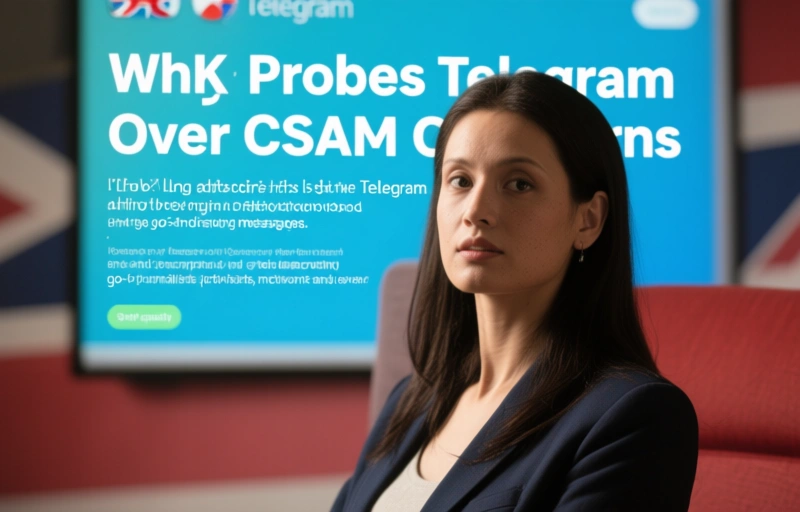
Ofcom, the UK's communications regulator, just dropped a bombshell: it's officially investigating Telegram. The reason? Evidence suggests the encrypted messaging app is being used to share child sexual abuse material (CSAM). This isn't just a warning shot—it's a full-blown probe that could reshape how privacy-focused platforms operate in the United States and beyond.
### Why Telegram Is in the Hot Seat
Telegram has long been a darling of privacy advocates. Its end-to-end encryption and self-destructing messages make it a go-to for journalists, activists, and everyday folks who value secure communication. But that same cloak of secrecy has a dark side. Ofcom's investigation centers on claims that Telegram's structure—specifically its public channels and groups—allows CSAM to spread with little oversight. The regulator says it has "credible evidence" that the platform isn't doing enough to detect and remove this illegal content.
For context, Ofcom has new powers under the UK's Online Safety Act, which forces tech companies to take responsibility for harmful material on their services. If Telegram is found in violation, it could face fines of up to 18 million pounds (about $22.5 million) or even be blocked in the UK. That's a big deal for a company that prides itself on resisting government pressure.
### What This Means for US Users
You might be thinking, "I'm in the US—why should I care?" Here's the thing: Telegram has over 800 million monthly active users worldwide, and a huge chunk of them are in America. If Ofcom's findings lead to stricter content moderation on Telegram, those changes could roll out globally. The platform might have to scan messages for CSAM, which could weaken the encryption that makes it so appealing.
- **Privacy vs. Safety:** This is the classic tug-of-war. Strong encryption protects your chats from hackers and snoops, but it also shields criminals. Telegram's CEO, Pavel Durov, has said he won't compromise on privacy. But Ofcom's probe could force his hand.
- **Ripple Effects:** The US doesn't have a law as sweeping as the Online Safety Act yet, but lawmakers are watching. If the UK succeeds in holding Telegram accountable, it could inspire similar moves in Congress.
### How Antidetect Browsers Fit In
Now, let's talk about antidetect browsers. These tools are designed to mask your digital fingerprint—things like your IP address, browser type, and screen resolution—so you can browse anonymously. They're a lifeline for privacy-conscious professionals, from marketers running multiple ad accounts to activists evading surveillance. But here's the twist: the same features that protect legitimate users can also be misused.
Some people use antidetect browsers to access Telegram anonymously, creating fake accounts to distribute CSAM or evade bans. That doesn't mean antidetect tools are bad—they're not. It's like a car: you can use it to drive to work or to rob a bank. The difference is intent.
- **For Privacy Pros:** Antidetect browsers remain essential for legitimate tasks like managing multiple social media profiles or testing websites without bias.
- **For Regulators:** They're a challenge. How do you catch bad actors without breaking the privacy of millions of honest users?
### The Bottom Line
Ofcom's investigation into Telegram isn't just a UK story. It's a global wake-up call about the trade-offs between privacy and safety. For antidetect browser users in the US, it's a reminder to stay informed and use these tools responsibly. The internet is a powerful place, but with great power comes great responsibility—and sometimes, a government probe.
What do you think? Should Telegram be forced to scan for CSAM, even if it means weakening encryption? Drop your thoughts in the comments.