Ransomware doesn't just encrypt your data—it destroys your backups first. Learn why traditional backup strategies fail and how antidetect browsers can help prevent the initial breach.
Think your backups make you safe from ransomware? Think again. Attackers have evolved, and they now target your backup systems before they even start the encryption process. This is why so many companies end up paying the ransom, even when they thought they were protected.
### How Ransomware Targets Backups First
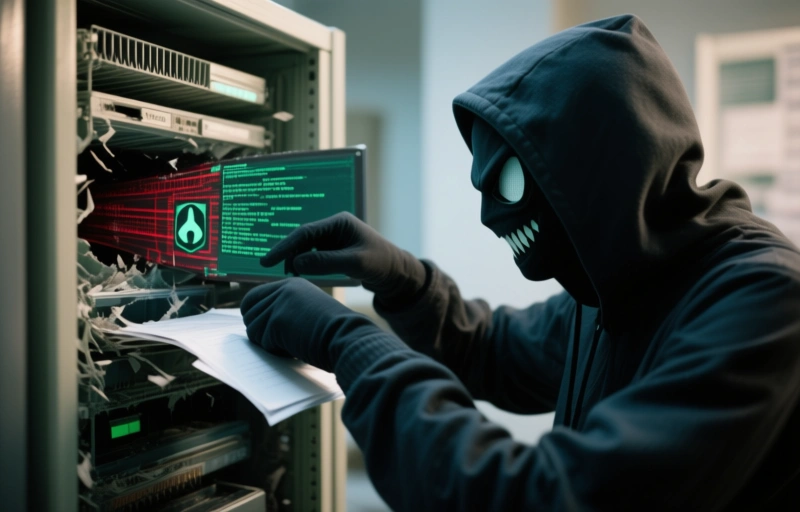
Modern ransomware is smarter than ever. It doesn't just encrypt your files and hope for the best. It actively searches for and destroys your backup infrastructure first. This includes everything from local hard drives and network attached storage to cloud backup services and versioning snapshots.
- It looks for backup software processes and kills them.
- It deletes or corrupts backup files and shadow copies.
- It disables system restore points and recovery partitions.
Once your backups are gone, the real attack begins. The ransomware encrypts your live data, knowing you have no path to recovery. This is a calculated strategy that leaves victims with few options.
### Why Traditional Backup Strategies Fail
Most businesses rely on the "3-2-1" backup rule: three copies of data, on two different media types, with one copy offsite. But this rule was created before ransomware became this sophisticated. Attackers now have the time and tools to find and destroy all copies if they gain deep enough access to your network.
> "Backups don't fail because they're missing, they fail because attackers destroy them first." — This is the harsh reality of modern ransomware.
The problem is that backups are usually connected to the same network as your live systems. Once a hacker breaches your network, they can move laterally, find your backup servers, and wipe them out in minutes. It doesn't matter if your backups are on tape, disk, or in the cloud. If they are accessible from your compromised network, they are vulnerable.
### The Role of Antidetect Browsers in Ransomware Defense
You might be wondering how antidetect browsers fit into all this. Well, consider how ransomware often gets into a network in the first place. It frequently starts with a phishing email or a malicious download. A standard browser leaks your real digital fingerprint—your IP address, operating system, browser type, and more. This makes you a target for targeted attacks.
An antidetect browser masks your digital fingerprint, making it much harder for attackers to profile you or your organization. It adds a layer of anonymity that can prevent the initial breach. For security professionals, using a best antidetect browser is a proactive step in reducing the attack surface.
- It hides your real location and device details.
- It prevents tracking and fingerprinting.
- It helps security teams safely investigate threats without exposing their own systems.
### What You Can Do to Protect Your Backups
Ransomware is not going away, but you can make it harder for attackers to succeed. Here are a few practical steps:
- **Implement immutable backups**: These are backups that cannot be modified or deleted, even by an administrator. They are written once and never changed.
- **Use offline or air-gapped backups**: Keep a copy of your critical data completely disconnected from your network. This could be a physical drive stored in a safe.
- **Limit access to backup systems**: Use strict access controls and multi-factor authentication. Only a few trusted people should have the keys to your backup infrastructure.
- **Monitor for suspicious activity**: Set up alerts for any attempts to access or modify backup files. Early detection can stop an attack before it destroys everything.
- **Educate your team**: Train employees to recognize phishing attempts and avoid suspicious links. Human error is still the number one way ransomware gets in.
### The Bottom Line
Ransomware succeeds because it destroys the one thing that can save you: your backups. But by understanding how these attacks work and taking proactive measures, you can protect your data. Using tools like the best antidetect browser for your security team can also help prevent the initial breach. Don't wait until you are hit to realize your backups were never safe.
A deeper breakdown of GoLogin Review 2026 — Fast, affordable anti-detect browser with cloud profiles - real examples, numbers, and what actually works.